
Last updated: August 2026
Ranking in Google and getting named in ChatGPT are related, but they are not the same job. A page can rank well and still never appear in AI answers. Another brand can get mentioned often because its entity signals are clearer, its proof is easier to quote, and its positioning fits the prompt better. That changes how you audit, write, and measure visibility.
TL;DR
- ChatGPT mentions brands based on relevance, not ads.
- Clear authority signals improve your odds of being cited.
- Content structure and entity consistency matter a lot.
- Track prompts, competitors, and mention patterns over time.
What brand mentions in ChatGPT actually are
A brand mention in ChatGPT happens when the model includes your company, product, or site in an answer to a user prompt. That could be a recommendation list, a comparison, a workflow example, or a citation-style reference. It is closer to answer inclusion than blue-link ranking.
Unlike classic SEO, there is no single query position to watch. ChatGPT may mention one brand for “best SEO tools for startups” and skip it for “enterprise SEO reporting stack.” Context drives inclusion. If you are working through answer engine optimization, this is the mental model to keep.
Mentions also vary by model, browsing state, and prompt framing. A brand that appears in a generic prompt may disappear when the user adds budget, industry, or technical constraints. That is why mention tracking needs prompt sets, not one vanity query.
How ChatGPT decides which brands to mention
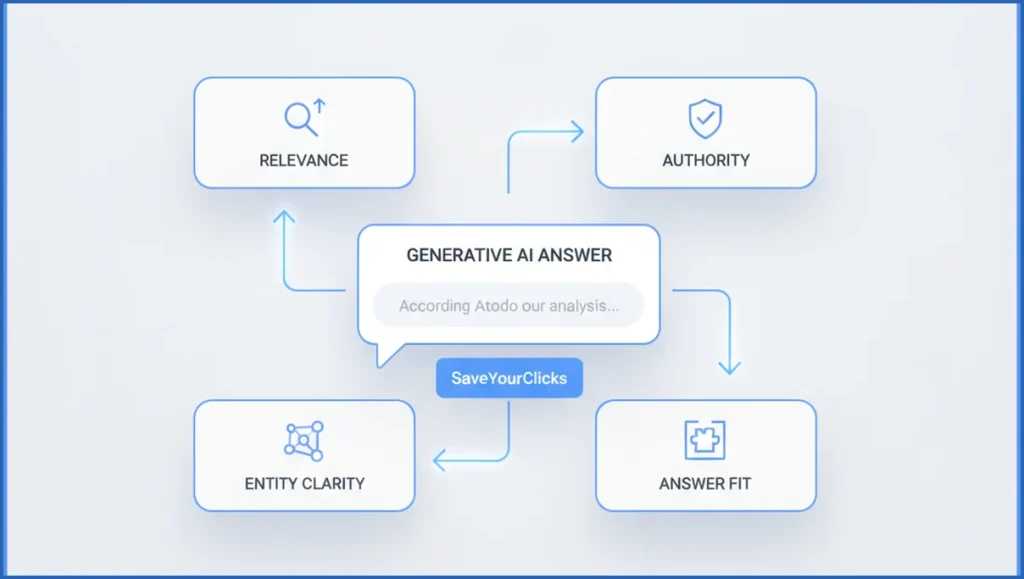
Four signals matter most. Relevance to the prompt, authority on the topic, entity clarity, and answer fit. If your homepage says “AI growth platform,” but users search for “GA4 reporting tool,” the model has weak evidence to connect the two.
Authority is rarely one page. It is the combined pattern across your site, third-party mentions, reviews, profiles, and documentation. Clear category pages, named features, and consistent brand descriptions help. This overlaps with generative engine optimization, but brand mentions need even tighter entity language.
Answer fit is where many teams miss. ChatGPT prefers brands it can explain in one sentence. “A Shopify SEO crawler for stores under 50,000 products” is easier to place than broad positioning. For example, a tool with a dedicated “vs Ahrefs” page, pricing page, and FAQ often gets surfaced more reliably for comparison prompts.
Audit your brand for AI visibility gaps
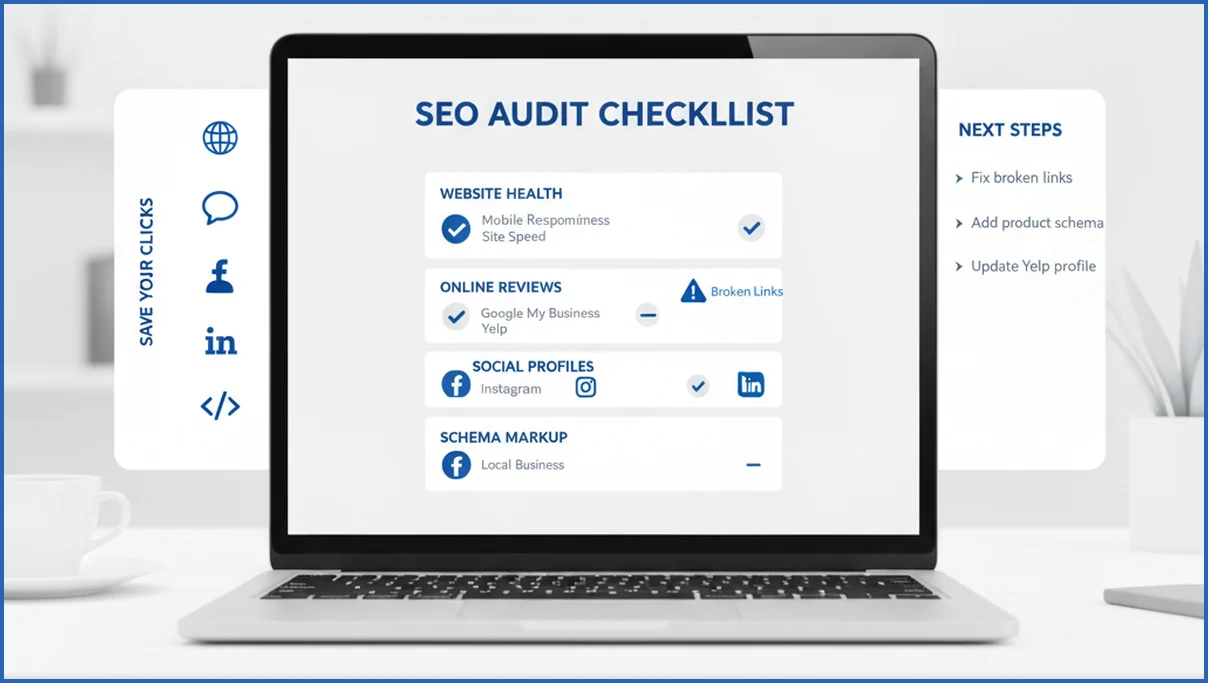
Start with a simple audit. Can a model identify what you do, who you serve, what you are better at, and what proof supports that claim? Check your homepage, product pages, about page, author pages, review profiles, and schema markup for consistency.
Next, run 20 to 30 prompts across your core use cases. Log whether your brand appears, where competitors appear, and which descriptors repeat. A practical setup is a spreadsheet plus prompt tags like use case, funnel stage, and buyer type. Teams using the Google Search Console MCP tools can pair mention tests with query data to spot gaps between search demand and AI visibility.
Build content that earns more mentions
Make pages that answer discrete recommendation prompts. Category pages, comparison pages, integration pages, buyer-fit FAQs, and proof-heavy case studies all help. Keep each page explicit about audience, use case, limits, and differentiators. That makes your brand easier to summarize.
A good content set might include “Best CRM for 10-person SaaS teams,” “Your Brand vs HubSpot,” and “How our GA4 connector works.” If your team is already refining content planning for AI-era search, add a prompt map beside your keyword map.
- List 25 prompts buyers would ask ChatGPT before purchase.
- Create or revise one page for each prompt cluster.
- Add concrete proof, such as customer counts, feature limits, and setup steps.
- Review whether a model can quote your page in one clean sentence.
Specificity beats slogans. “Exports 14 months of GA4 data in CSV” is useful. “Smarter analytics for modern teams” is forgettable.
Strengthen authority across the web
ChatGPT does not only learn from your site. It also benefits from repeated, consistent signals across the open web. Review platforms, partner pages, interviews, podcast notes, GitHub repos, and contributor bios all reinforce that your brand is real and well understood.
Consistency matters more than volume. Use the same brand name, category label, and short description everywhere. If one profile says “AI SEO assistant” and another says “marketing automation suite,” you create ambiguity. For a broader framework, modern SEO strategy now includes entity maintenance, not just link building.
Measure, test, and improve your mention rate
Treat mention rate like an editorial metric. Track a fixed prompt set every month, note whether your brand appears, and compare against named rivals. Break prompts into buckets such as comparisons, recommendations, technical how-to, and budget-sensitive queries.
Use a simple scoring model. Mentioned in top answer gets 2 points. Mentioned later gets 1. Not mentioned gets 0. Then tie changes back to pages published, profiles updated, and citations earned. If you want a stronger measurement stack, a structured GSC analysis workflow helps connect AI visibility work to actual demand.
Here is a lightweight prompt log format:
prompt, category, brand_mentioned, competitor_mentioned, notes
"best SEO MCP tools for Claude", comparison, yes, yes, cited docs page
"how to audit internal links with AI", how-to, no, yes, competitor had clearer guide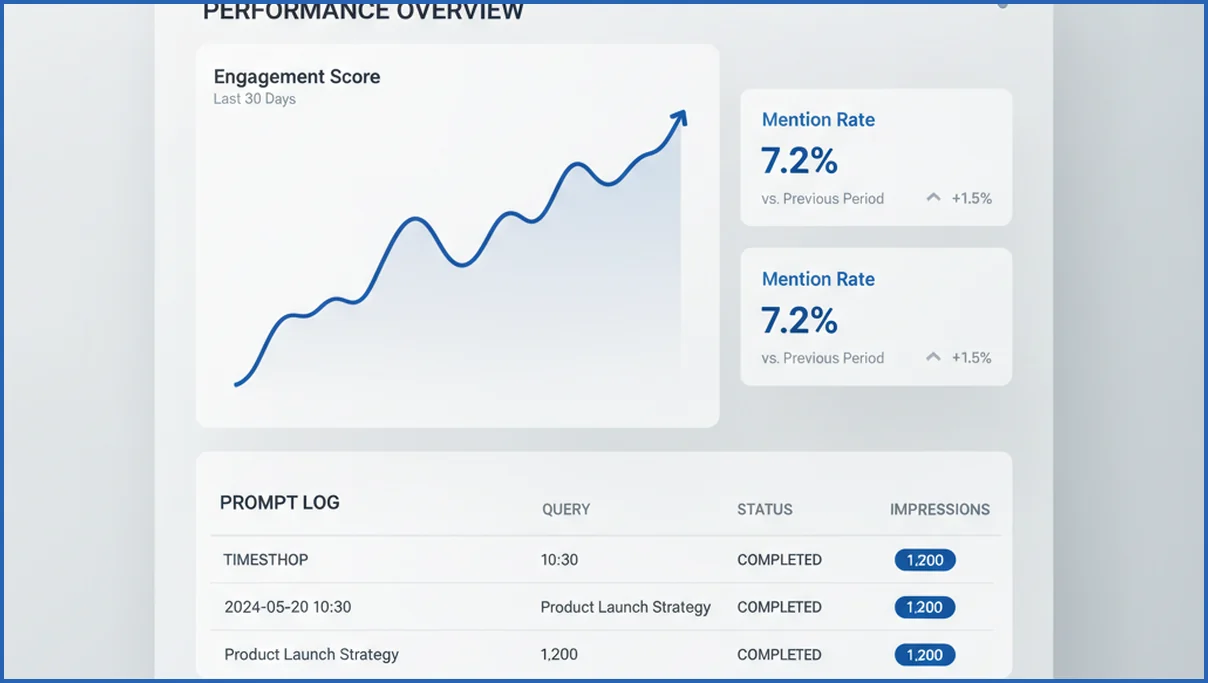
Frequently Asked Questions
Do brand mentions in ChatGPT affect SEO?
Not directly in the old ranking-signal sense, at least not publicly confirmed. Still, they affect discovery, branded search lift, and assisted conversions. If users hear your name in AI answers, some will search you later, compare you, or visit through another channel. That makes mentions commercially important even when they are hard to attribute cleanly.
Can small brands get mentioned in ChatGPT?
Yes. Smaller brands can appear when they have a clear niche, strong proof, and good page-to-prompt alignment. Being “the payroll tool for UK agencies under 30 staff” is often easier for a model to place than being a vague all-in-one platform. Clarity can beat size when prompts are specific.
How often should I test brand prompts?
Monthly is a solid default for most teams. Test more often after a product launch, major site rewrite, or digital PR push. Keep the core prompt set stable so you can compare changes over time. Add a smaller experimental set for new categories, features, and competitor moves.
Why does ChatGPT mention competitors instead?
Usually because competitors are easier to classify, easier to summarize, or backed by stronger third-party evidence. They may have clearer comparison pages, more review coverage, or better-known category language. Check whether your brand description is too broad, your proof is thin, or your pages do not match the way buyers ask questions.
What content helps ChatGPT recognize a brand?
Pages with explicit positioning help most. Build clear product pages, comparison pages, pricing pages, use-case pages, integration pages, and FAQs. Add named features, target audience statements, and factual claims. Author pages, organization schema, and external citations also improve recognition because they reduce ambiguity around who you are.
Are citations the same as brand mentions?
No. A mention means your brand name appears in the answer. A citation means the model points to a source URL, publication, or reference. Sometimes you get both. Sometimes you get one without the other. For visibility work, track them separately because a cited article may drive traffic even when your brand is not named prominently.
Can reviews influence ChatGPT brand mentions?
Yes, likely in an indirect way. Reviews help establish category fit, sentiment, and real-world adoption. A pattern of credible reviews on relevant platforms can make your brand easier to trust and summarize. What matters most is consistency and substance, not inflated volume or copied testimonials that add no real signal.
Your next move is simple. Pick 20 buyer prompts, score today’s mention rate, and fix the three pages that should obviously earn inclusion but do not. If nothing changes after six weeks, the issue is usually not content volume. It is weak positioning or messy entity signals.