Last updated: July 2026
Zero Click Searches: How AI Overviews Change SEO is no longer just a featured snippet story. Google now blends AI summaries, source links, and conversational search paths that can satisfy users before a click happens. That raises the stakes for visibility beyond rankings alone. If your pages influence the answer, shape brand recall, or assist later conversions, they still matter. The job now is earning inclusion in AI-driven search experiences, not only chasing blue-link traffic.
TL;DR
- Zero click searches answer users before they visit your site.
- AI Overviews shift visibility from clicks to citations and trust.
- SEO now needs answer-first content, schema, and brand signals.
- Track impressions, mentions, and assisted conversions, not traffic alone.
What zero click searches mean now
A zero click search happens when the user gets enough value on the results page and stops there. That could be a definition, store hours, a product comparison, or an AI-generated summary. The old model was simple. Rank, earn the click, then convert. Now Google often completes the first step for you.
AI Overviews changed the journey because they combine multiple sources into one answer block. Users scan that block first, not the blue links. For SEOs, this pushes strategy closer to answer engine optimization than classic ten-link ranking. Visibility still matters, but the visible unit is often the summary, not your page title.
Why clicks are disappearing from search
Three forces drive the drop. First, instant-answer features solve basic intent fast. Second, SERP layouts keep expanding with maps, videos, PAA boxes, and product modules. Third, AI summaries compress several pages into one response. If a user searches “how many words should a meta description be,” they may never need a publisher page.
This does not mean every lost click is a lost opportunity. Some clicks were low intent anyway. The harder issue is that informational discovery now happens on Google’s surface. That is why Google AI Mode changes matter for content teams. Search can expose your brand while withholding the visit.
How AI Overviews change SEO visibility
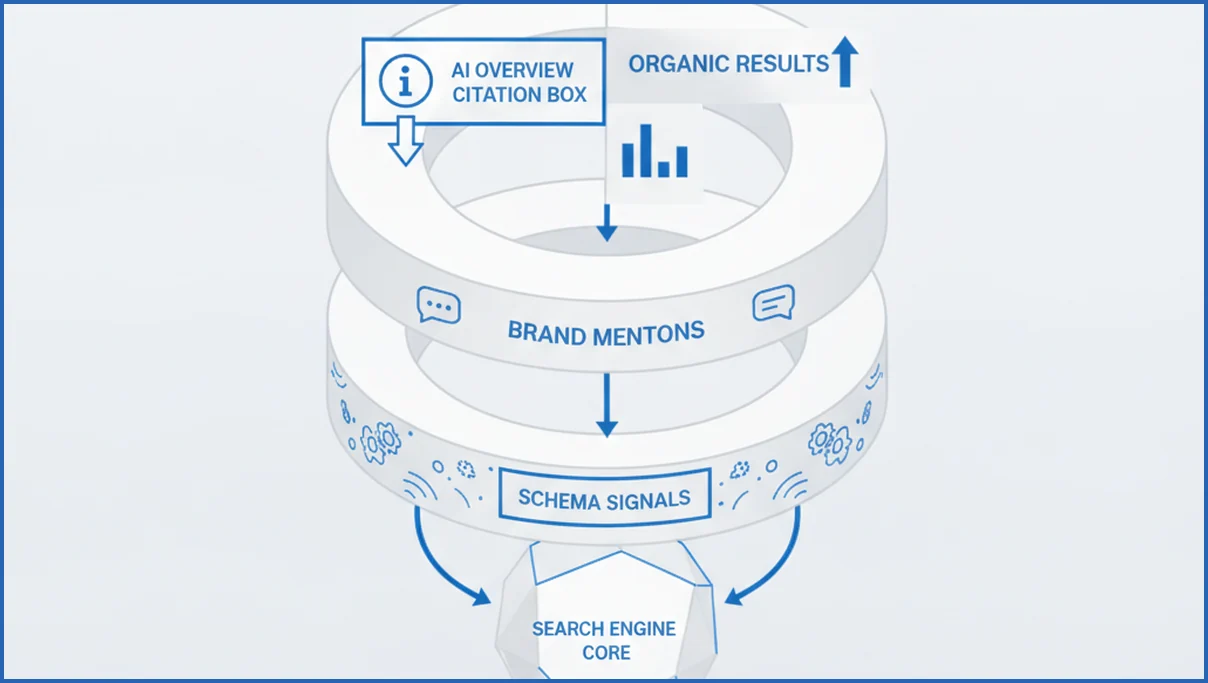
Visibility now has layers. A page can rank fifth organically, get cited in the AI Overview, and still become the most trusted source in the session. Or it can rank first and get ignored by the summary. That is a very different feedback loop from old SEO.
Citations act like partial wins. They build brand memory, validate expertise, and can influence later branded searches. That is why a modern AI search optimization playbook looks beyond rankings. You need clear entities, consistent facts, and pages that answer a subtopic in a way models can quote cleanly.
What content wins zero click searches
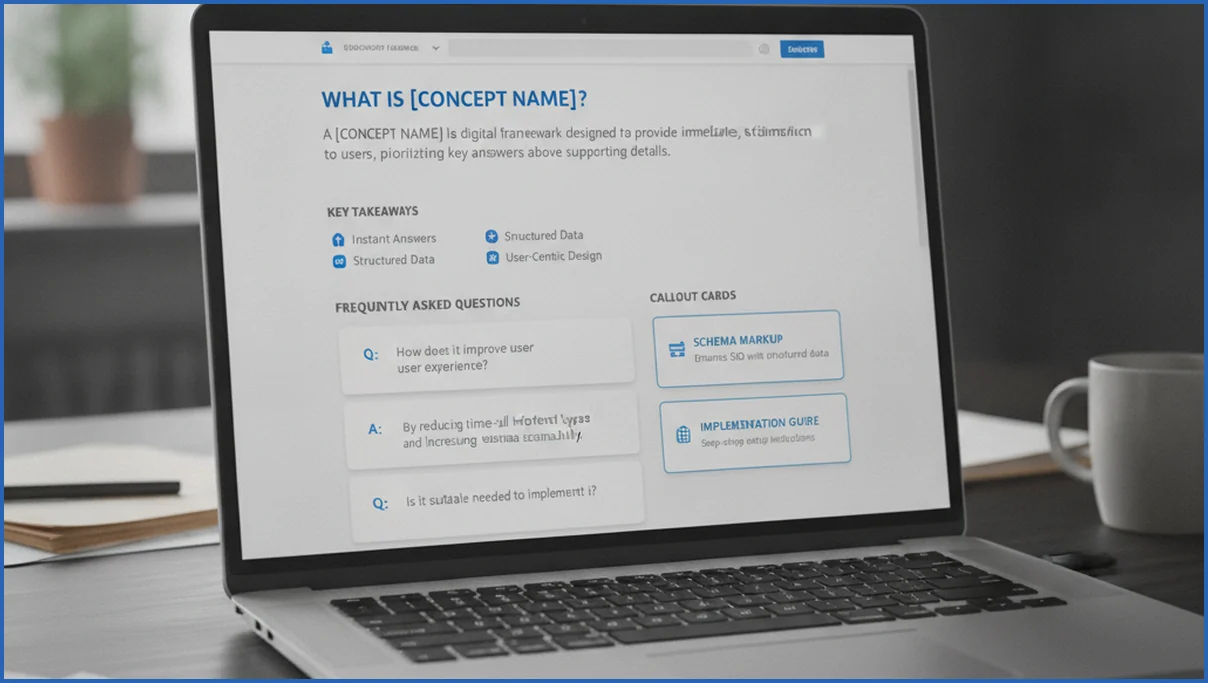
Pages that win usually answer the query in the first 80 to 120 words, then expand with structure. Strong formats include concise definitions, comparison tables, bullet summaries, FAQs, and step lists. A vague intro kills extraction. So does burying the answer under brand throat-clearing.
Trust signals matter too. Named authors, original examples, dates, product specifics, and schema give systems more confidence. If you publish a page on “GA4 assisted conversions,” show a workflow and exact metrics. Teams building repeatable AI blog workflows should template this structure so every page is citation-ready.
A practical zero click SEO playbook
Treat every target query like an extraction problem. Your page should answer fast, prove credibility, and connect to deeper intent. For broader planning, pair this with a current SEO strategy framework so zero click work supports pipeline, not vanity reporting.
- Map queries by intent. Split “quick answer” topics from “needs depth” topics.
- Rewrite intros so the direct answer appears in 2 sentences.
- Add FAQ, HowTo, Product, or Organization schema where accurate.
- Link related supporting pages to reinforce entities and topic coverage.
- Refresh facts, dates, and examples every quarter.
A simple example: for “what is branded search volume,” open with a definition, add a 4-row table, then a short FAQ. Support it with internal links from your analytics guide and demand-gen pages. If you want faster reporting loops, the Google Search Console MCP endpoint set can surface impression and query shifts without manual exports.
Query cluster: zero click searches
Primary answer block: 55 words
Supporting sections: causes, SEO impact, measurement
Schema: FAQPage + Article
Internal links: 3 relevant supporting pages
How to measure success without the click
Traffic still matters, but it is no longer the whole scorecard. Watch Search Console impressions, query spread, branded search growth, and assisted conversions in GA4. A page can lose 18% of clicks and still improve revenue if it increases branded return visits or demo-assisted paths.
One practical dashboard uses impression share, average position band, branded query lift, and conversion assists by landing page group. That is easier if your stack connects search and analytics directly. The GA4 MCP tools and GSC data together make this much less manual for weekly review.
How Google AI Mode changes zero-click search behavior
Google AI Mode pushes zero-click behavior beyond a single summary box. Instead of showing one overview above standard results, it can turn search into a guided conversation. Users refine questions, compare options, and ask follow-ups without leaving Google. That expands the number of sessions where brand discovery happens before any site visit. Google presented AI Mode as a more interactive search experience at Google I/O 2025.
For SEO teams, this changes what visibility means. A page can influence the answer path even when it gets fewer direct clicks. Queries with research intent, product comparisons, and step-by-step questions are especially likely to stay inside Google longer. That makes entity clarity, source trust, and concise factual formatting more important. If you need a broader framework, see Google AI Mode explained.
- Expect more follow-up searches inside one session, not just one impression and one click.
- Measure branded search lift, assisted conversions, and page-level impressions alongside traffic.
- Build pages that answer the first question and the likely next two questions.
Frequently Asked Questions
What are zero click searches in SEO?
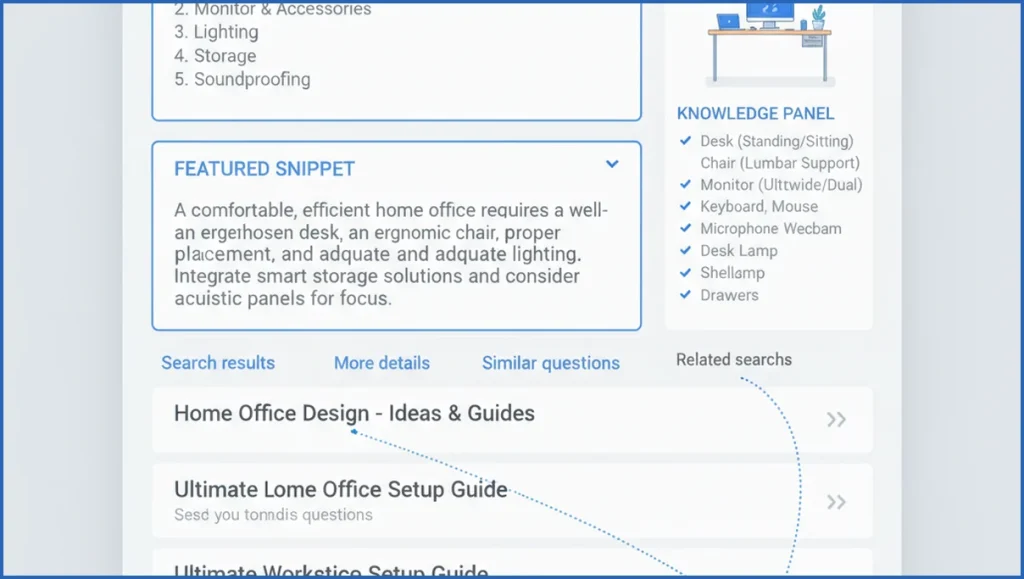
Zero click searches are queries where the user gets the answer on the search results page and never visits a website. That can happen through featured snippets, local packs, knowledge panels, or AI Overviews. In SEO terms, they reduce direct traffic opportunity for some queries, but they can still create visibility, trust, and later branded demand.
Are zero click searches bad for websites?
Not always. They are bad if your model depends on high-volume informational clicks with weak commercial intent behind them. They can be useful if your brand gets cited often and users come back later through branded search, direct visits, or conversions on deeper pages. The real issue is measurement. Many teams still judge performance with a traffic-only lens.
How do AI Overviews affect organic traffic?
AI Overviews can lower clicks on informational queries because they answer the question before the visit. They can also shift clicks toward higher-intent users who want details, proof, pricing, or tools. That means some pages will see less traffic but better downstream quality. Expect more volatility by query type than by sitewide average alone.
Can structured data help with zero click visibility?
Structured data helps search engines understand page purpose, entities, authorship, products, and FAQs. It does not guarantee inclusion in AI Overviews, but it improves clarity and consistency. Use schema to support content that is already well organized and factually strong. Markup cannot rescue a page that hides its answer or lacks credibility signals.
What content gets cited in AI search results?
Content with direct answers, clean structure, and specific facts gets cited more often than padded articles. Strong pages define the topic early, support claims with examples, and show clear authorship. Pages that mix concise summaries with deeper sections tend to work well because they serve both extraction and human trust without sounding thin.
How should I measure SEO success now?
Use a blended view: impressions, citation presence, branded query growth, engaged sessions, lead quality, and assisted conversions. Segment by query intent so you do not panic over click loss on low-value searches. Then compare those losses against gains in commercial pages, return visits, and branded demand. SEO is now part discovery channel, part brand surface.
Start with one query set, not your whole site. Pick 20 informational keywords that already show strong impressions, rewrite those pages for answer-first extraction, add supporting schema, and watch branded demand plus assisted conversions for 30 days.
How is Google AI Mode different from AI Overviews for SEO?
AI Overviews are summary answers layered onto standard results. Google AI Mode is a more interactive search flow with follow-up questions inside Google. For SEO, that means AI Mode can extend zero-click sessions and spread visibility across multiple conversational turns. Optimize for both by creating concise answers, strong entity signals, and deeper pages that cover comparisons, steps, and next-question intent.
Next steps for SEO teams
Zero-click search is getting broader as AI Overviews and AI Mode reshape how answers appear. The practical response is not to abandon SEO. It is to widen your definition of success. Track impressions, citations, branded demand, and assisted conversions. Then build pages that answer clearly, add unique value, and deserve follow-up clicks. If you want a fuller planning model, start with SEO strategy in 2026.