
Last updated: July 2026
Ahrefs MCP matters when you want AI to work with live SEO data instead of vague prompts. It gives your model a structured path to pull rankings, link signals, and keyword data into a usable workflow. That makes research faster, but it also raises the bar for setup discipline. If the connection is sloppy, your outputs will look polished and still be wrong.
TL;DR
- Understand what ahrefs mcp does in a practical SEO workflow.
- See how to plan, connect, and validate the integration safely.
- Use the setup to speed research, audits, and reporting tasks.
- Avoid common mistakes that break data quality and automation.
What Ahrefs MCP Is and Why It Matters
Ahrefs MCP is the layer that lets an AI client call Ahrefs-style data through a model context protocol workflow. If you need the deeper mechanics, this MCP server explanation covers the pattern well. In practice, it means your assistant can query SEO data with tool access instead of guessing from static training.
That changes how you work. A strategist can ask for pages with declining traffic, weak link equity, and position 8-15 keywords, then get a usable shortlist in one pass. Pairing that with a Google Search Console MCP setup is where it becomes genuinely useful, because Ahrefs shows opportunity while GSC shows real query and page behavior.
Prerequisites Before You Connect Anything
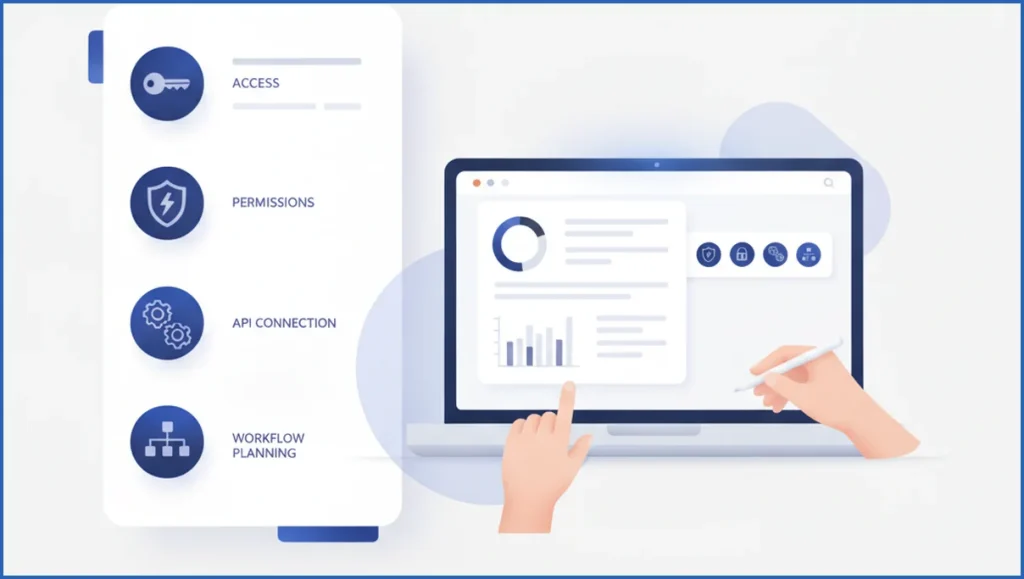
Start with access and scope. You need an Ahrefs account tier that supports the data you plan to pull, API or integration credentials if required, and permission to connect that data to your AI environment. Also decide what jobs you want first. Keyword clustering, backlink checks, and content-gap pulls each need different endpoints and prompt structure.
Next, define the workspace. Are you running Claude Desktop, Claude Code, Cursor, or another MCP-capable client? A practical Claude MCP guide helps here if your team is still sorting the client side. Keep one test property, one competitor set, and one simple output format before you expand.
Step-by-Step Ahrefs MCP Setup
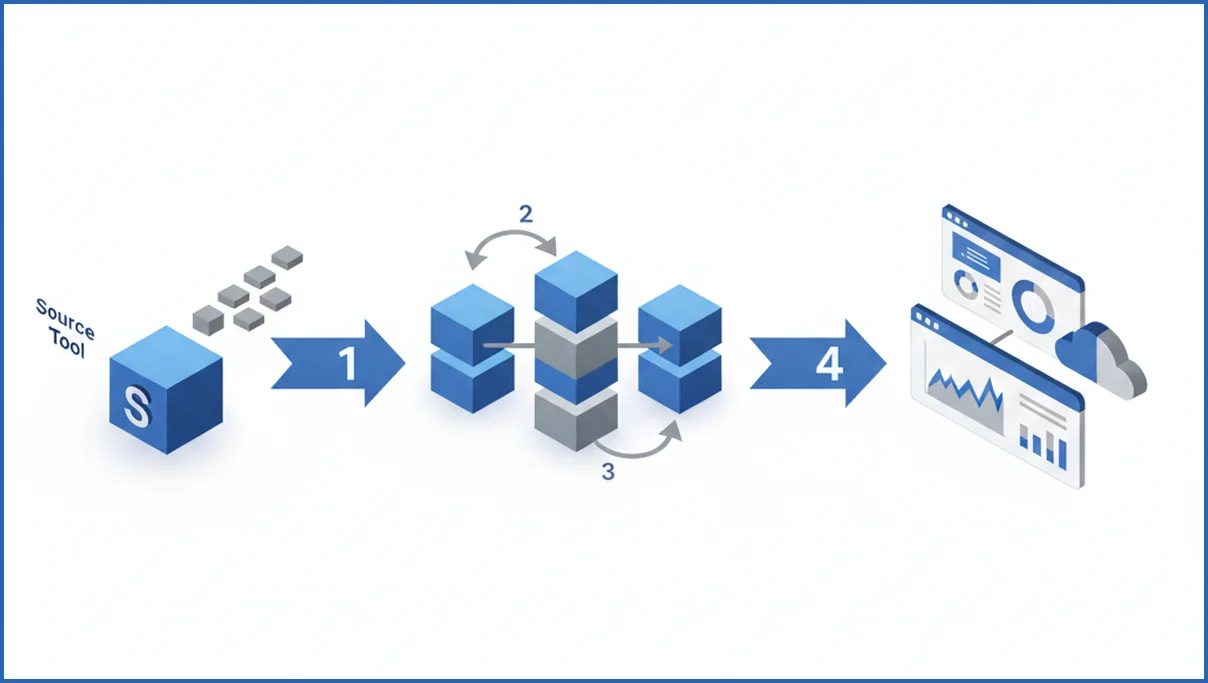
Use a narrow first run. Add the server definition, store credentials in environment variables, and expose only the tools you need. If your client supports local config files, keep the first version small and readable.
{
  "mcpServers": {
    "ahrefs": {
      "command": "npx",
      "args": ["ahrefs-mcp-server"],
      "env": {
        "AHREFS_API_KEY": "your_key_here"
      }
    }
  }
}
Then test with one known query. Ask for organic keywords for a single domain you already know well. Compare the returned top 10 terms against the Ahrefs interface. If counts or URLs look off, stop there. Do not move into automations until the manual check passes.
A good checkpoint is a two-tool prompt. Ask the model to pull Ahrefs keywords, then compare them with GSC impressions for the same landing page. That kind of cross-source workflow mirrors a solid GSC analysis playbook and exposes mismatched URLs, country filters, or stale caches fast.
Best Ways to Use Ahrefs MCP in SEO Work
The strongest use case is assisted research, not blind automation. For example, pull all keywords where a page ranks positions 6-12, sort by business value, then ask the model to suggest internal links and section upgrades. That pairs well with keyword clustering workflows when you need page splits versus refreshes.
- Pull top pages and their ranking keywords.
- Filter for declining pages or near-page-one terms.
- Compare with two competitors on the same topic cluster.
- Generate a brief, not a finished article.
Another useful pattern is recurring reporting. Have the model fetch monthly backlink growth, lost links, and new keyword wins for 12 client pages. Then ask for anomalies only. That saves hours because the AI summarizes movement, while you still make the call on cause and priority.
How to Validate Data Quality and Avoid Errors
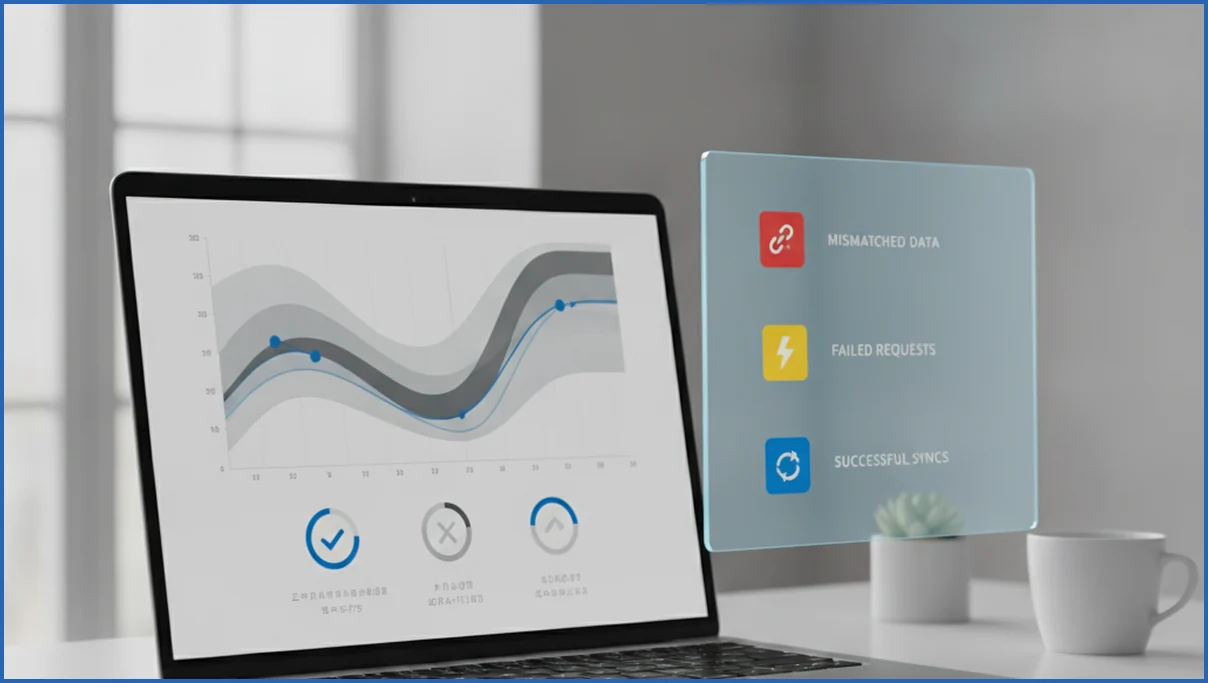
Validation starts with known numbers. Pick three domains and five pages where you already trust the baseline. Compare returned keyword counts, ranking positions, and referring domains against the Ahrefs UI on the same day. Small variance can happen. Big variance usually means the wrong index, locale, or endpoint.
Watch for silent failures. Models often continue after a bad tool call and fill gaps with plausible language. Add prompts that require uncertainty flags, source labels, and timestamps. Teams building broader SEO automation stacks learn this quickly. A clean sentence is not proof of a clean dataset.
When Ahrefs MCP Is Worth It—and When It Is Not
It is worth it when you run repeated research across many pages, markets, or clients. Agencies, publishers, and in-house teams with weekly reporting gain the most. The savings come from fewer manual exports and faster comparisons, not from replacing SEO judgment.
It is not worth much if you only need occasional lookups, have no process for QA, or lack a second source like analytics or GSC. In that case, a lighter stack from the broader MCP tools library may fit better. Adding Ahrefs MCP before you define repeatable tasks usually creates overhead, not speed.
Frequently Asked Questions
What is ahrefs mcp used for?
It is used to let an AI client pull Ahrefs data into live workflows. That includes keyword research, backlink checks, competitor snapshots, and content-gap analysis. The main benefit is speed with context. Instead of exporting CSVs and pasting notes, you can ask the model to gather data, filter it, and prepare a draft analysis you review.
Do I need coding skills to set up ahrefs mcp?
Not much, but some comfort with config files helps. Many setups only need a server entry, an API key, and a test prompt. You do not need to build the whole server yourself in most cases. You do need enough technical confidence to manage environment variables, read errors, and confirm the output matches the source tool.
How does ahrefs mcp help SEO workflows?
It shortens the slow middle part of SEO work. The model can gather rankings, filter opportunities, compare competitors, and draft recommendations in one thread. That is useful for content updates, internal link planning, and monthly audits. It works best when paired with human review and another source, such as analytics or Search Console.
What should I check before connecting ahrefs mcp?
Check account access, API permissions, endpoint limits, and your MCP client first. Then decide the exact task you want to improve. Good first tasks are narrow and measurable, such as finding position 8-12 keywords on 20 URLs. Also confirm your naming conventions, property scope, and country settings, because mismatched settings create confusing results later.
How do I know the integration is working correctly?
Run a small comparison against numbers you already trust. Use one domain, one page set, and one metric group, then match the results to the Ahrefs interface. Add timestamps and source labels to the output. If the tool returns missing fields, odd URLs, or inflated counts, pause and fix the connection before scaling the workflow.
Can ahrefs mcp replace manual SEO research?
No. It can remove repetitive collection and sorting, which is still a real win. It cannot replace judgment on search intent, content quality, prioritization, or stakeholder context. Think of it as a fast analyst that needs supervision. Manual review still matters most when data conflicts, when SERPs shift, or when business value is not obvious.
When is ahrefs mcp not worth the effort?
It is a poor fit for low-volume use, solo experiments without QA, or teams that do not act on the data regularly. If you only check a few rankings each month, the setup cost may exceed the time saved. It also underdelivers when your stack lacks clean analytics, clear prompts, or an editor who can challenge weak AI summaries.
Pick one repeatable task this week, such as identifying 25 near-page-one keywords on high-value URLs. Set up that workflow, validate it against the UI, and leave broader automation for later. That sequence keeps the upside real and the cleanup small.