Last updated: September 2026
AI Overviews Optimization: A Practical Playbook for Visibility now matters in a search experience where impressions, mentions, and citations can grow faster than clicks. Google’s AI Mode raises the bar because it can pull supporting details from pages that answer narrow sub-questions well. That changes what winning looks like. Strong pages still need relevance, but they also need structure, evidence, and quotable specificity. This refresh focuses on how AI Mode shifts citation strategy inside Google Search.
TL;DR
- Structure pages for fast AI comprehension and citation.
- Answer the query early, clearly, and with evidence.
- Use strong entities, concise headings, and clean formatting.
- Track visibility signals, then iterate on underperforming pages.
What AI Overviews optimization actually means
AI Overviews optimization means shaping a page so Google can extract a useful answer from it, not just rank it. That usually requires tighter intent match, clearer wording, and stronger evidence. It overlaps with answer engine optimization, but it stays grounded in Google’s own search interface.
Classic snippets reward relevance and title-tag appeal. AI Overviews reward answer quality, citationworthiness, and coverage of related subquestions. You cannot force inclusion. You can improve the chance that Google finds your page helpful enough to summarize or cite, which is close to the logic behind modern AI search optimization.
Set expectations early. Some queries will never trigger an overview. Others will cite huge publishers, forums, and product docs at once. Your target is not every keyword. It is the cluster where you already rank in positions 3-12, match intent well, and can provide a cleaner answer than the current field.
Audit the pages most likely to earn citations
Start with pages that already get impressions on informational and mixed-intent queries. In Search Console, filter for terms with high impressions, low click-through rate, and average position between 4 and 15. Those pages often sit close to visibility without being the chosen source. A workflow like this GSC analysis playbook helps surface them fast.
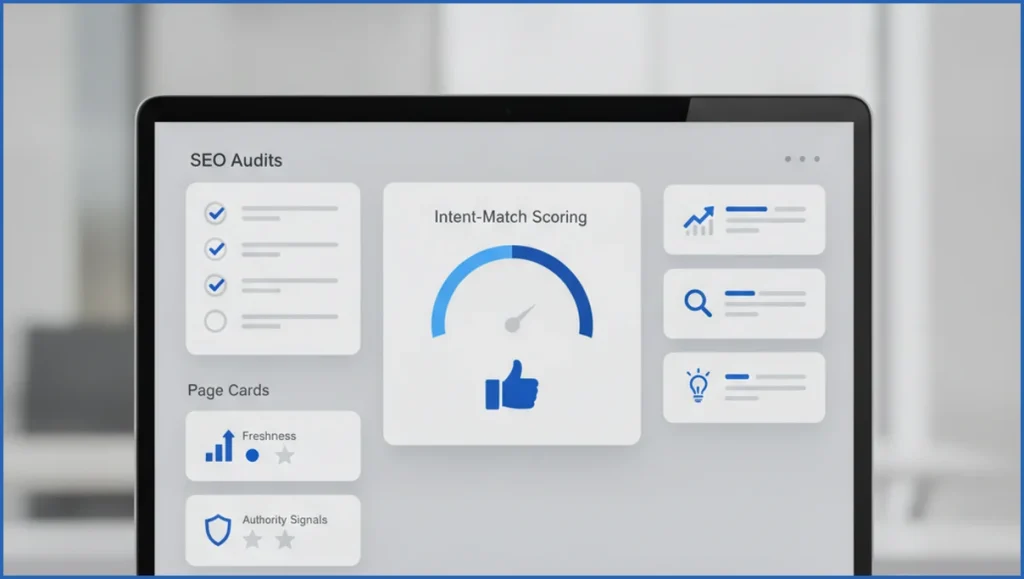
Then score each page on four factors: intent match, freshness, topical authority, and answer clarity. A 2023 guide last updated 18 months ago can still win if the answer is direct and the examples are current. A fresh page with vague copy usually will not.
- Export 90 days of query and page data.
- Group pages by topic cluster.
- Mark queries that imply definitions, steps, comparisons, or calculations.
- Prioritize pages with existing authority and weak SERP answers.
Rewrite content for extractable answers
Put the direct answer in the first 100 words under the relevant heading. Keep it plain, specific, and quotable. If the query is “what is ai overviews optimization,” answer that in one tight paragraph before adding nuance. This is the same discipline strong teams use in repeatable AI copywriting workflows.
Formatting matters because models scan structure. Use short paragraphs, descriptive H2s, bullet lists for steps, and tables only when comparison adds clarity. Avoid burying the answer under brand framing, scene-setting, or a 200-word definition.
For example, replace a soft intro with a direct block like this:
AI Overviews optimization is the practice of improving a page so search systems can extract,
trust, and cite its answer in Google's AI-generated summaries. It focuses on clarity, evidence,
formatting, and intent match more than click-driven snippet tactics.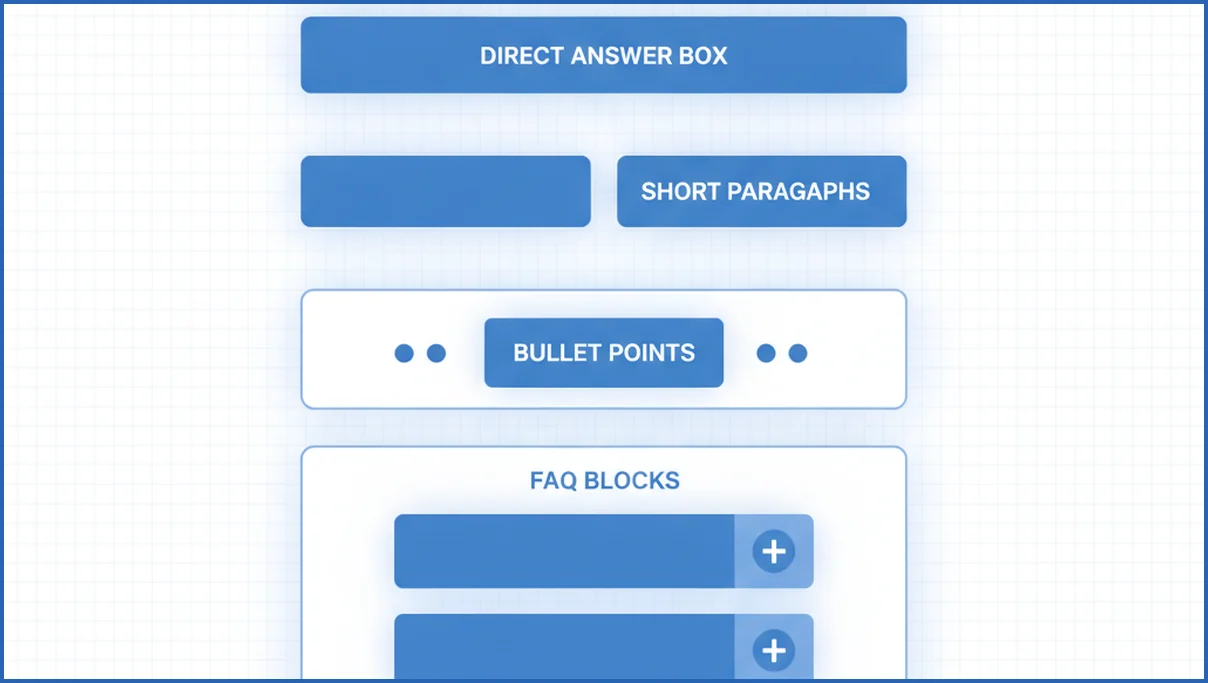
Strengthen topical depth with entities and evidence
Google does not want isolated claims. It wants answers connected to entities, examples, and sources. If you cover AI Overviews, mention related concepts like Search Console, SERP features, citations, query intent, and content freshness when they genuinely fit. That helps the page feel complete rather than thin.
Evidence also raises trust. Add screenshots, product docs, dated examples, and source-backed statements where possible. If you claim AI Overviews reduce clicks on some queries, cite a study or hedge the statement. The goal is not academic writing. It is verifiable usefulness.
A practical pattern works well: definition, short answer, supporting example, then source-backed nuance. Teams building MCP-based reporting workflows can enrich pages with query data, landing-page trends, and refresh notes without guessing what matters.
Fix technical and UX issues that block visibility
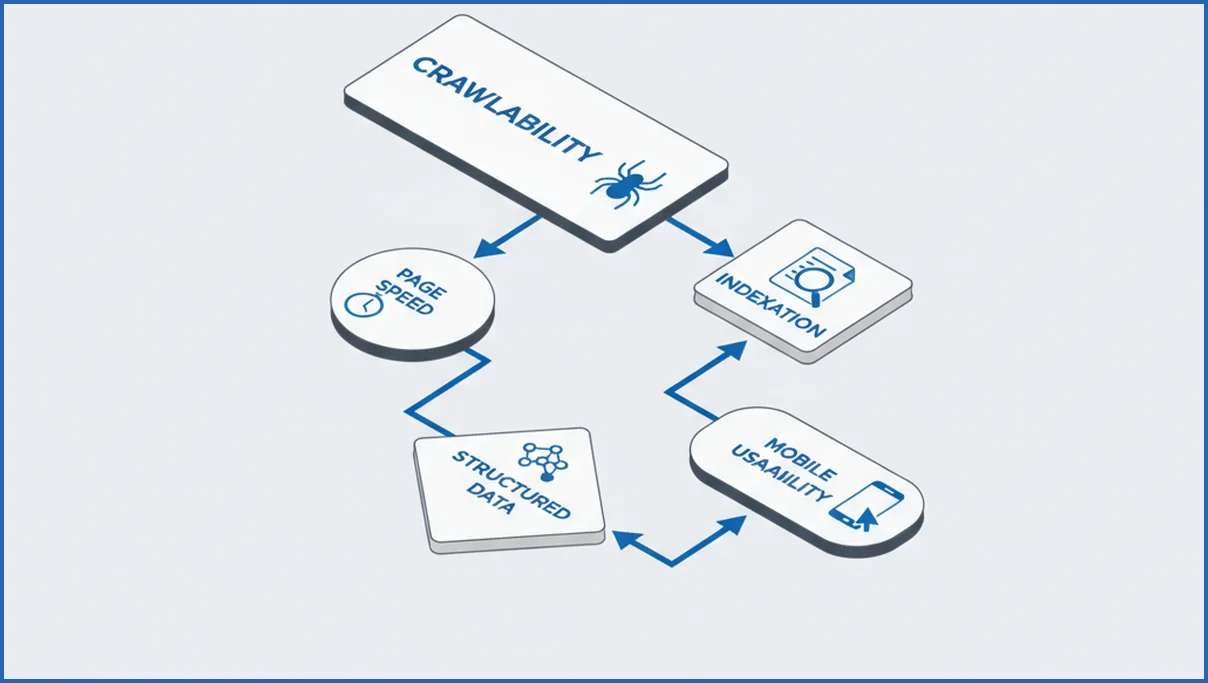
Clear writing cannot compensate for pages Google struggles to crawl or render. Check indexation, canonicals, robots rules, internal links, and mobile performance first. If a page loads in 5.8 seconds on mobile and shifts layout hard, you are making extraction harder before content quality even enters the picture.
Keep schema basic and accurate. Article, FAQ, and Product markup can help search engines understand context, but schema alone will not win citations. Clean HTML, visible main content, and strong internal linking usually matter more. If you want faster diagnostics, the Search Console MCP setup is useful for spotting indexing and query-pattern issues in one place.
Measure results and refine your optimization loop
Track four things: impressions, clicks, average position, and observed citation presence. Search Console will not label every AI Overview appearance cleanly, so use manual checks on target queries and compare trends weekly. When impressions rise and clicks flatten, that may still indicate broader surface visibility.
Run a simple monthly loop. Refresh pages with declining impressions, expand sections that miss common follow-up questions, and tighten answers that ramble. Pages rarely improve from one rewrite. They improve from repeated passes, the same way good content strategy compounds over quarters, not days.
How AI Mode changes citation strategy in Google Search
AI Mode changes how sources earn visibility because Google can synthesize across multiple steps of a search journey. Instead of rewarding one page that matches one keyword, it may cite pages that resolve a sub-question clearly, support a comparison, or add evidence a model can reuse. That means AI Overviews optimization now overlaps more with task completion than classic rank tracking. If you need a broader model of this shift, see Google AI Mode explained.
For citation strategy, the goal is not just “be relevant.” The goal is “be extractable, attributable, and specific.” Pages with named entities, dated claims, scoped definitions, and concise answer blocks are easier for Google to reference. Google has presented AI Mode as a more advanced AI search experience tied to query fan-out and reasoning steps (Google I/O 2025). In practice, that raises the value of pages that answer adjacent follow-up questions before the user asks them.
- Lead with a direct answer in the first 100 words, then expand with evidence.
- Use original specifics like prices, dates, product names, and feature comparisons.
- Group related subtopics so one URL supports multiple AI-generated follow-up prompts.
Frequently Asked Questions
How do I know if my page appears in AI Overviews?
Use manual checks on your priority queries in an incognito browser and note whether your brand or URL appears as a cited source. Then compare those findings with Search Console impression trends on the same keywords. A jump in impressions without matching clicks can be a clue, but not proof. Keep a small query set and review it weekly so changes are easier to spot.
Does schema markup improve AI Overviews citations?
Schema can help search engines understand page type and page elements, but it is rarely the deciding factor by itself. Accurate FAQ, Article, Product, or HowTo markup supports clarity. Thin content with perfect schema still loses. Treat schema as a support layer, not the strategy. Focus first on answer quality, crawlability, and evidence on the page.
What content format is easiest for AI to quote?
The easiest format is a direct answer under a descriptive heading, followed by short supporting paragraphs or bullets. Definitions, step lists, comparison tables, and concise FAQs tend to work well. Dense intros and long opinion sections do not. Write one self-contained answer block for each key subquestion so a model can extract it without guessing context.
How often should I update pages for AI Overviews?
For active topics, review important pages every 6 to 10 weeks. For stable evergreen topics, every quarter is usually enough. Update when the SERP changes, when examples age out, or when queries shift in Search Console. Freshness matters most when the topic changes fast. Forced edits with no real improvement usually add noise, not visibility.
Can older pages outperform new content in AI Overviews?
Yes, often. Older pages usually have stronger links, more query history, and better established topical relevance. If the page still matches intent and you refresh outdated examples, it can beat a brand-new article. Age is not the problem. Stale answers are. Many teams get faster wins by upgrading proven URLs than by publishing another page from scratch.
What metrics matter most for AI Overviews optimization?
Start with impressions, average position, and query coverage in Search Console. Then track citation appearance manually for a target keyword set. Clicks still matter, but they can understate impact when AI Overviews answer part of the query on the SERP. Also watch engagement on cited pages. If users bounce fast, your answer may be visible but not convincing enough to support business goals.
Pick 10 pages, not 100. Audit the ones already close to page-one visibility, rewrite the answer blocks, and review results after 30 days. That will tell you more than any theory about AI Overviews ever will.
How does AI Mode affect AI Overviews optimization?
AI Mode pushes AI Overviews optimization toward citation readiness, not just rank improvement. Pages need direct answers, verifiable facts, and clear subheadings that support follow-up questions. It also increases the value of entity-rich writing and strong evidence. For a wider framework, compare this shift with answer engine optimization, where extractable responses often matter as much as classic on-page targeting.
What to do next
AI Mode does not replace SEO fundamentals, but it does reward pages that are easier for systems to trust and reuse. Treat every important URL like a source document. Tighten definitions, add current facts, and answer the next logical question on the page. If your team is adapting broader workflows for 2026, our SEO strategy in 2026 playbook can help connect AI Overviews work to a larger organic plan.