
Last updated: August 2026
AI Keyword Research Tool Comparison: Best Picks for SEO now matters in a different search environment. Google is adding more AI-generated discovery paths, so the best tools do more than expand lists. They help you map intent, cluster related questions, and spot where human validation is still necessary. If you already use Ahrefs, Semrush, or Google Search Console, this refresh focuses on how AI-assisted research fits the newer search experience and where it can still misread demand.
TL;DR
- Compare tools by accuracy, workflow, and SEO depth.
- See which AI keyword tool fits your budget and goals.
- Learn what AI can and cannot do in keyword research.
- Choose faster with a practical side-by-side framework.
What an AI Keyword Research Tool Actually Does
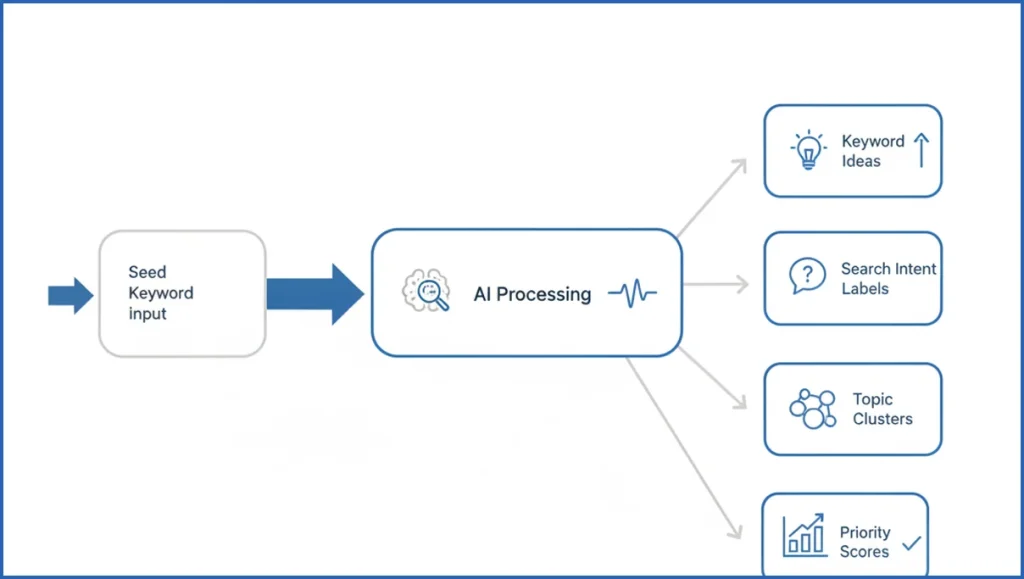
A solid ai keyword research tool does not invent demand. It speeds up discovery from a seed term, then adds structure. That usually means clustering close variants, labeling likely intent, spotting topical gaps, and suggesting priorities based on volume, difficulty, or business value.
The best products also reduce spreadsheet work. For example, you can feed 2,000 exported terms into an AI layer and get clusters like comparison, pricing, setup, and alternatives in minutes. That is especially useful when paired with a practical keyword clustering workflow instead of manual tagging.
What AI still struggles with is nuance. It may group “audit template” with “audit software” even though one query is informational and the other is commercial. If you work in AI search, this matters even more because intent shapes answer visibility, not just rankings. Answer engine optimization depends on that distinction.
How We Compared the Best AI Keyword Research Tools
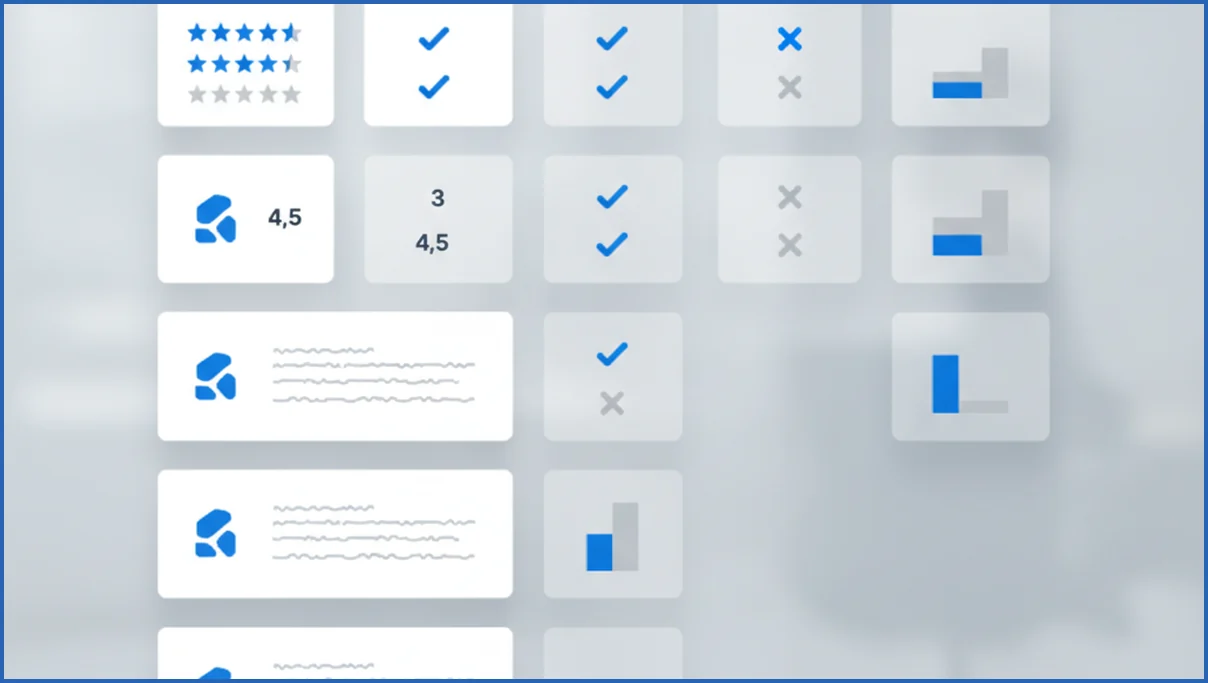
We compared tools on four criteria. First, keyword quality. Does the tool suggest terms you would actually keep after a SERP check? Second, workflow. Can it cluster, score, and export without five extra steps? Third, SEO depth. Does it include intent, ranking context, competitor overlap, or content planning?
Pricing matters too, but not in isolation. A $29 tool that saves one hour a month can beat a $129 platform if your use case is basic blog planning. On the other hand, teams building repeatable systems should care more about integration and data reuse. That is where Search Console MCP workflows become more useful than another idea generator.
We also favored tools that show their work. If a platform claims a query is transactional, it should align with the live SERP. If it says a cluster belongs on one page, the top results should support that. For a broader view of AI tooling tradeoffs, this AI SEO tools comparison is a useful companion.
Best AI Keyword Research Tools by Use Case
For core SEO research, Ahrefs and Semrush remain the safest picks because their AI features sit on top of deep keyword databases. Ahrefs is usually cleaner for topic expansion. Semrush is stronger if your team also needs content briefs, competitor tracking, and PPC spillover in one workspace.
For content planning, Keyword Insights stands out. Its clustering and intent grouping are built for page mapping, not just raw discovery. A simple workflow is: export keywords from Ahrefs, cluster in Keyword Insights, then turn winning clusters into outlines with an automated content brief process. That stack is faster than forcing one platform to do everything.
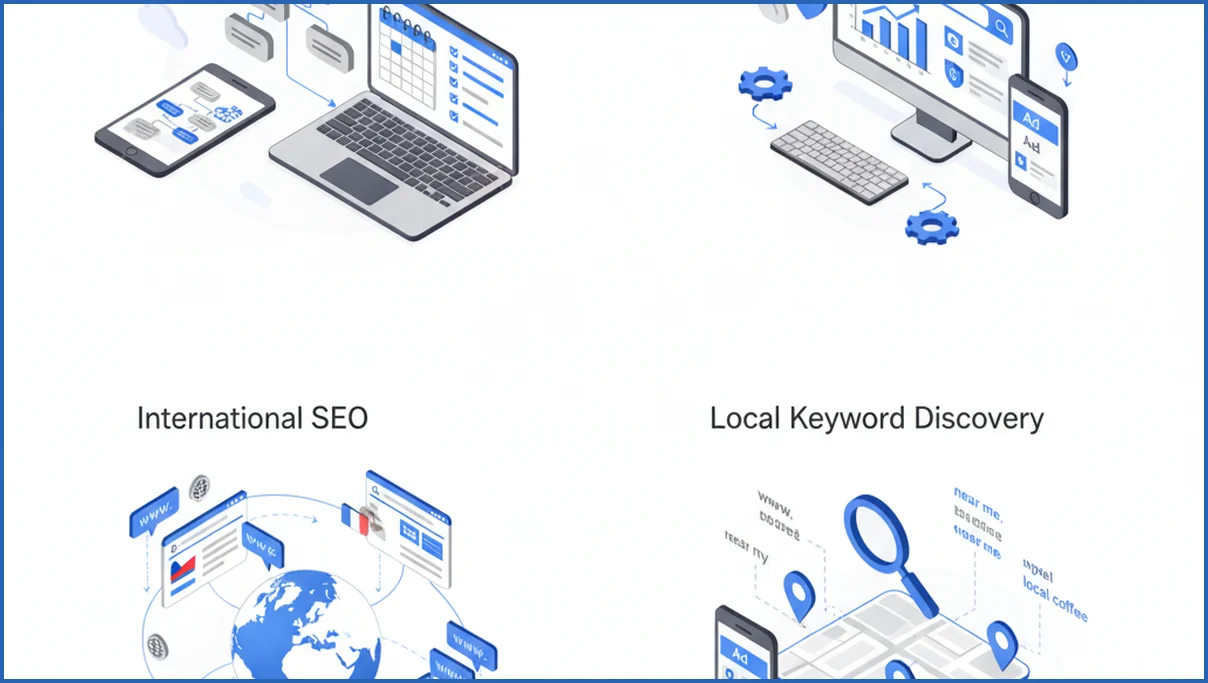
For PPC, Semrush and Google Keyword Planner still make more sense than AI-first niche tools because bid signals and commercial terms matter more than elegant cluster labels. For international SEO, low-volume markets need manual review. AI often over-groups translated queries that deserve separate pages.
Comparison Table: Features, Strengths, and Tradeoffs
| Feature | Ahrefs | Semrush | Keyword Insights | Verdict |
|---|---|---|---|---|
| Keyword database depth | Very strong | Very strong | Depends on imported data | Ahrefs and Semrush win |
| AI clustering | Good | Good | Excellent | Keyword Insights is strongest |
| Content workflow | Moderate | Strong | Strong | Semrush is broader |
| PPC support | Limited | Strong | Weak | Semrush is better for mixed teams |
One honest tradeoff. Ahrefs is often better for fast SEO-focused research. Semrush can feel heavier, but it is better when paid search and content sit in the same team. Keyword Insights is excellent at clustering, yet it is not a full replacement for a primary data source.
Which Tool Is Best for Different Team Sizes
Freelancers usually need one main database and one light AI layer. Ahrefs plus a clustering tool is often enough. Small content teams benefit from Semrush because briefs, tracking, and collaboration live together. Agencies should care about repeatability first, especially when accounts, exports, and templates multiply fast.
If your team already works inside Claude or custom workflows, data access matters more than another dashboard. A tool stack connected through MCP servers for SEO data can be easier to scale than buying overlapping seats across three platforms.
When an AI Keyword Research Tool Is Not Enough
AI suggestions still need SERP validation. Check the top 10 results, page types, and whether Google blends guides, tools, category pages, or forums. If the SERP is mixed, your page strategy should be mixed too.
You also need first-party data. A keyword with 150 monthly searches might drive more revenue than one with 4,400 if it ranks for product-ready users. That is why teams should compare research output against real clicks and conversions. Search Console analysis workflows close that loop better than AI guesses alone.
Final Recommendation: How to Choose the Right Tool
Start with your bottleneck. If you lack reliable keyword data, choose Ahrefs or Semrush first. If your bottleneck is turning exports into page plans, add Keyword Insights. If you need a custom system, use a primary database plus your own AI workflow for clustering, scoring, and briefs.
A simple process works well:
- Pick one source of keyword truth.
- Run AI clustering on a focused topic set.
- Validate intent on the live SERP.
- Prioritize by revenue, not volume alone.
If your shortlist still feels fuzzy, compare three real topic sets from your site, not demo keywords. Tool quality becomes obvious when the outputs affect actual page decisions.
How AI Mode Changes Keyword Research for SEO
Google AI Mode shifts keyword research from isolated terms toward task completion, follow-up questions, and mixed intent journeys. Google has framed AI Mode around more exploratory querying and deeper conversational search behavior, which changes how SEOs build topic maps and page plans (Google I/O 2026). Instead of chasing one exact phrase per page, smart teams now model clusters around a core problem, supporting entities, and likely next questions.
This makes traditional metrics less useful on their own. Search volume still matters, but it no longer tells the full story when users refine, compare, and verify within one session. Tools that can group modifiers, extract entities, and surface informational plus commercial subtopics become more valuable. This is also why Google AI Mode explained matters for planning. You need to understand how answer layers may interact with clicks, not just rankings.
- Prioritize topic clusters over single exact-match terms.
- Map follow-up questions that appear after the first search.
- Validate AI-suggested opportunities with Search Console and live SERPs.
Frequently Asked Questions
What makes an AI keyword research tool different from a normal keyword tool?
A normal keyword tool mainly gives you data such as volume, difficulty, and related terms. An AI keyword tool adds interpretation. It groups similar queries, suggests search intent, flags content gaps, and sometimes drafts page angles. The difference is not data access alone. It is how much cleanup and decision support the tool adds after the export.
Are AI keyword research tools accurate enough for SEO?
They are accurate enough to speed up the first 60 to 80 percent of research. They are not accurate enough to replace SERP checks. Intent labels, cluster boundaries, and difficulty estimates can all drift. Use AI to narrow the field, then verify with live results, your existing rankings, and conversion data before you commit pages or budget.
Can AI keyword tools help with long-tail keyword discovery?
Yes, especially when you start with a strong seed topic and some first-party inputs. AI can expand modifiers, use-case phrases, comparison angles, and question variants faster than manual brainstorming. It works best when you feed it product features, support tickets, or GSC data. Otherwise, you may get polished but generic long-tail ideas that few users actually search.
Which AI keyword research tool is best for beginners?
Beginners usually do best with Semrush because the workflow is guided and the feature set is broad enough to grow into. Ahrefs is also strong, but it assumes a slightly clearer SEO process. If budget is tight, start with one mainstream tool and a simple AI clustering layer. Avoid stacking several niche tools before you know your recurring workflow.
Do AI keyword tools work for PPC as well as SEO?
They help, but PPC needs different validation. AI can surface commercial modifiers, ad group themes, and landing page angles. Still, bid estimates, match types, conversion intent, and negative keyword logic matter more in paid search. For PPC, treat AI as a structuring assistant, not a bidding or budget decision-maker.
How should I validate keywords after using AI?
Check the live SERP first. Look at page type, title patterns, and whether the top results match one intent or several. Then compare the keyword set with your GSC clicks, conversions, and current rankings. Finally, test page mapping. If two clusters produce nearly identical top results, they probably belong on one page, not two.
The next useful step is simple. Take one topic cluster from your site, run it through two tools, and compare the page decisions each output suggests. You are not buying features. You are buying fewer wrong pages.
How does Google AI Mode change keyword research strategy?
It pushes strategy toward topics, entities, and question sequences instead of one keyword per page. You should research primary intent, likely follow-ups, and comparison modifiers together. Then validate demand with real data from Search Console analysis workflows and current SERPs. In many cases, the best target is a cluster that supports discovery, evaluation, and conversion on connected pages.
Final thoughts
The strongest AI keyword tools are no longer just idea generators. They are workflow tools for clustering, intent mapping, and faster validation. As Google surfaces more AI-led search paths, teams that connect keyword research with page structure and performance data will have an edge. For a broader shift in visibility planning, see answer engine optimization and AI search optimization.