

Keyword clustering tool research matters most when it helps you make smarter page decisions. Instead of treating clustering as a spreadsheet exercise, use it to decide which keywords belong on one page, which deserve separate content, and how those groups support your site architecture. A strong workflow for keyword clustering should reduce cannibalization, sharpen search intent targeting, and make content planning more efficient. Whether you are comparing software, testing a free option, or refining an SEO roadmap, the goal is the same: turn raw keyword lists into clear publishing priorities you can act on.
Last updated: September 2026
What Is Keyword Clustering?
Keyword clustering involves identifying groups of related search terms that share similar intent or topics. Instead of creating one page per keyword, you create content that targets a whole cluster, increasing your chances of ranking for multiple queries at once.
Why Is Keyword Clustering Important?
Search engines have become better at understanding context and intent. If your site contains several articles targeting near-identical keywords, you risk competing with yourself. Keyword clustering helps you:
- Increase topical authority by covering related queries together
- Reduce duplicate content and cannibalization
- Streamline internal linking opportunities
- Save content creation time by focusing on clusters, not just single keywords
Keyword Clusters vs. Topic Clusters
The terms “keyword cluster” and “topic cluster” are sometimes used interchangeably, but they are not identical. A keyword cluster is a set of closely related search terms (e.g., “keyword clustering,” “SEO keyword grouping,” “cluster SEO”). A topic cluster is a broader content strategy where one main page (pillar) links to related subpages.
| Aspect | Keyword Cluster | Topic Cluster |
|---|---|---|
| Definition | Similar keywords grouped by intent | Content structure with pillar and subpages |
| Purpose | Improve page targeting and rankings | Organize site content for authority |
| Scope | Narrow (search terms) | Broad (entire topic area) |
| Example | “keyword clustering,” “SEO clustering” | “SEO guide” as pillar, with “on-page SEO,” “link building” as subpages |
| Internal Linking | Within articles targeting clustered terms | Pillar links to cluster pages and vice versa |
How to Create Keyword Clusters: Step-by-Step
Step 1: Gather Your Keyword List
Start by collecting a comprehensive list of keywords relevant to your topic. Use keyword research tools or export data from Google Search Console. Focus on terms with search volume and clear intent.
Step 2: Identify Keyword Relationships
Look for keywords that share similar meanings or search intent. For example, “best keyword clustering tools” and “SEO keyword grouping software” likely belong together.
Step 3: Group Keywords into Clusters
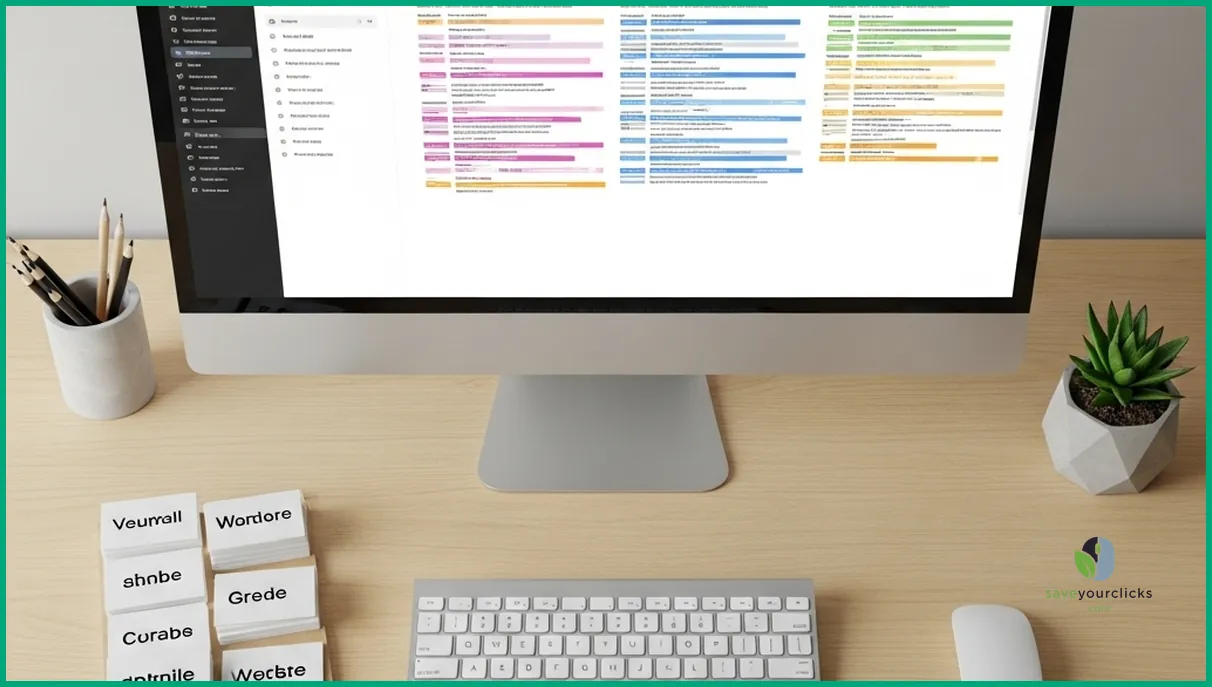
Manually, you can group keywords by reviewing their SERPs and noting which pages rank for multiple terms. Automated keyword clustering tools, such as the one from saveyourclicks, use algorithms to cluster based on SERP similarity or semantic relationships.
Step 4: Map Content to Clusters
Assign each cluster to a specific page or article. Make sure each piece of content covers the main and secondary keywords in its group. This ensures comprehensive coverage and reduces overlap.
Step 5: Optimize and Monitor
Once your content is live, use rank tracker tools to monitor performance for each cluster. Adjust your strategy as you identify gaps or new opportunities.
Manual vs. Automated Keyword Clustering
Manual clustering involves reviewing keywords and SERPs by hand. This can work for small lists but quickly becomes impractical at scale. Automated keyword clustering tools use algorithms to group keywords based on SERP similarity, semantic analysis, or both. These tools save time and help uncover patterns you might miss manually.

Choosing the Right Keyword Clustering Tool
Not all keyword clustering tools use the same methods. Some rely on SERP overlap; others use natural language processing. Consider these factors when choosing a tool:
- Volume of keywords you need to cluster
- Accuracy and flexibility of grouping methods
- Integration with other SEO tools, such as keyword gap analysis
- Reporting and export options
- Support and documentation
Cluster SEO: Putting It All Together
Effective cluster SEO is about more than grouping keywords. It’s about mapping those groups to high-quality content, building logical internal links, and monitoring results over time. Tools like saveyourclicks can help automate the clustering process and support ongoing optimization.

Ready to Start Clustering?
If you want to streamline your cluster SEO process, try using a keyword clustering tool from saveyourclicks. You can also schedule a quick call to discuss your specific needs.
How Google AI Mode changes keyword clustering for SEO
Google AI Mode changes how SEOs think about keyword clustering tools for SEO. Older clustering workflows focused on exact phrases, matching SERP overlap, and assigning one primary keyword per page. AI Mode pushes clustering closer to topics, entities, and follow-up questions. Google can synthesize answers across multiple subtopics, so a single page may compete for a wider set of related prompts than before.
That means clusters should be built around tasks and concepts, not just lexical similarity. For example, a cluster around “running shoes for beginners” should include sizing, cushioning, injury prevention, and surface type. Those ideas often appear in AI-generated summaries and deeper exploration paths. If you want a broader framework for search experiences shaped by AI answers, see Generative Engine Optimization.
- Group keywords by shared problem, not only shared wording.
- Review live SERPs often, because AI Mode can reshape result layouts quickly.
- Create pages that answer the main query plus likely next questions in one structured asset.
Before committing, validate a few sample clusters against your own site data in Google Search Console workflows. That extra check helps you confirm whether the tool’s logic matches the queries your pages already rank for.
Next, compare accuracy controls. A good tool should let you adjust cluster strictness, review borderline terms, and export clean groupings into sheets or briefs. Useful workflow features include search volume rollups, primary keyword suggestions, and page-type recommendations. Ease of use matters too. If a tool saves time but creates confusion at the review stage, it is not really efficient.
The best keyword clustering tool is not simply the one with the biggest database or the flashiest dashboard. What matters is whether it groups terms in a way that reflects real search intent. Start by checking the clustering method. Tools that use SERP overlap usually produce more useful SEO keyword clustering than tools that rely only on linguistic similarity, because they show which queries Google already treats as closely related.
Best Keyword Clustering Tool: What to Compare
If you are deciding whether a free setup is enough for your site, it often helps to get a second opinion through an SEO consultation before investing in a larger platform or rebuilding your content structure.
The limits show up when scale and nuance matter. Free tools may cap keyword volume, restrict exports, or miss mixed-intent terms that should be separated into different pages. They also tend to offer less control over clustering thresholds, which can lead to groups that look tidy but are not strategically useful.
A free keyword clustering tool can be enough when you are validating a content idea, cleaning up a small keyword list, or learning how keyword clustering works. Many free options handle basic grouping, often by phrase similarity or lightweight SERP checks. That is useful for early planning, especially for smaller sites with a limited number of topics.
Free Keyword Clustering Tool Options and Limits
Some platforms also use modifiers such as location, device, or commercial intent to refine clusters. That can be useful when planning site architecture, especially if you want categories, subtopics, and supporting articles to reflect actual search behavior. To validate those grouping decisions against real performance data, it also helps to review impressions and page-query patterns in Search Console workflows.
This matters because keyword clustering is really a way to model how search engines interpret meaning. For example, “best running shoes for flat feet” and “top running shoes for overpronation” may partially overlap, while “how to clean running shoes” belongs in a different cluster entirely. A good tool helps you avoid combining mismatched topics just because they share a few words.
A keyword clustering tool groups terms by identifying which queries deserve the same page and which need separate coverage. The strongest systems do not rely only on word similarity. Instead, they compare search intent, SERP overlap, and topical relationships. If two keywords return many of the same ranking URLs, the tool assumes Google sees them as closely related. If the results differ, the terms are more likely to need separate pages.
How Keyword Clustering Tools Group Keywords
Scalability matters if you manage large keyword sets. Some tools work well for a few hundred phrases but become slow or expensive at larger volumes. Integrations with rank tracking, analytics, or Search Console can save time as well. If you are choosing between platforms for a growing content program, a short SEO strategy review can help you match features to your workflow instead of paying for reports you will not use.
Export flexibility is another practical requirement. A useful tool should let you move clusters into spreadsheets, briefs, or content planning systems without extra cleanup. It is also worth checking whether it shows parent topics, dominant search intent, ranking URL patterns, or suggested pillar-and-supporting-page structures. Those details turn raw groupings into an actionable plan.
When comparing a keyword clustering tool, start with the clustering method. Tools that use SERP overlap usually produce more useful SEO decisions than tools that only group by phrase similarity. You should also check whether the platform lets you adjust sensitivity or overlap thresholds, because aggressive settings can merge distinct intents while strict settings can split topics too far.
Key Features to Look for in a Keyword Clustering Tool
If your site depends on careful content architecture, it is smart to combine free clustering with trusted performance sources so you can confirm what already earns impressions and clicks. A practical way to do that is by reviewing your Search Console data before turning clusters into new pages.
The limits usually appear when accuracy and scale matter. Free tools may cap the number of keywords, restrict exports, skip live SERP checks, or hide the logic behind each cluster. That can make seo clustering less reliable for competitive niches where small intent differences matter. You may also find fewer filters for country, device, or search engine variations.
A free keyword clustering tool can be a good starting point if you are validating a topic map or organizing a smaller list. Many free options will group terms by language similarity, basic SERP signals, or simple intent patterns. That is often enough for early-stage blog planning, quick audits, or testing whether a topic should become one page or several.
Free Keyword Clustering Tool Options and Limits
Finally, judge the tool by outcomes, not features alone. The right option should help you decide whether a group belongs on one page, multiple pages, or a broader content hub. If it speeds up those decisions accurately, it is doing its job.
Ease of use is another separator between a decent platform and the best keyword clustering tool for a working team. Can you upload a large list, filter by intent, and identify primary versus supporting terms in minutes? If your workflow depends on performance data, it also helps when clustering can be checked against indexing and query patterns in Google Search Console data.
Next, look at control and transparency. A good tool should let you adjust cluster sensitivity, review why keywords were grouped together, and quickly spot outliers. If every cluster is a black box, it becomes harder to trust your page planning. Exports also matter. You want clean output that can move into content briefs, page maps, or spreadsheets without heavy cleanup.
Choosing a keyword clustering tool starts with understanding how it groups terms. Some tools rely on linguistic similarity, while others use live SERP overlap to see whether Google treats two queries as the same topic. For SEO, SERP-based grouping is usually more useful because it reflects actual ranking behavior rather than just word matching.
How to Evaluate a Keyword Clustering Tool
The value of keyword clustering is not in creating neat groups for their own sake. It is in turning messy keyword lists into a publishable plan with clearer targets, stronger internal linking, and fewer duplicate pages.
Category mapping is another practical use. Ecommerce and large content sites often have hundreds of terms that look similar but map to different levels of the site. Clustering helps define which phrases belong to category pages, subcategory pages, and supporting guides. If the structure is unclear, talking it through with an SEO consultant can save time before you build the wrong page set.
For landing pages, the process is more commercial. Imagine grouping keywords around SEO audit services, enterprise audits, and technical SEO consulting. If the SERPs are highly similar, one strong service page may cover the cluster. If intent shifts between informational research and hiring an expert, those terms may need separate pages. This is where keyword clustering prevents cannibalization and helps align content with buyer intent.
Keyword clustering becomes useful when it shapes real publishing decisions. For a blog workflow, you might start with a broad topic such as technical SEO and collect variations around audits, crawl errors, indexing, and site structure. A cluster that includes closely related terms can become one comprehensive article, while adjacent clusters may support it as separate posts linked in a topic hub.
Keyword Clustering Examples for Real SEO Workflows
Good seo clustering is less about automation and more about making better page decisions with intent, structure, and competition in mind.
Teams also run into trouble when they ignore authority signals and site context. A smaller site may not be able to target a broad cluster with one page if competitors are winning with deep topic coverage. Reviewing examples from a trusted SEO and AI marketing specialist perspective can help you judge whether a cluster should become a single page, a hub, or a series.
Another mistake is treating tool output as final. Clusters are a starting point, not a finished strategy. You still need to review SERPs, page types, and business goals before deciding what to publish. This matters even more on larger sites, where one bad grouping decision can create cannibalization across categories, guides, and service pages.
One of the most common mistakes in keyword clustering seo is over-merging terms that seem related but serve different intents. Two keywords can share language yet deserve separate pages if one is informational and the other is transactional. When everything gets forced into one cluster, the page often becomes unfocused and struggles to rank well for either query set.
Common Keyword Clustering Mistakes to Avoid
If your process depends on confirming which terms already earn impressions or overlap with indexed pages, pairing early clustering work with Search Console insights can make a free setup more useful. Once your lists grow or page mapping becomes more complex, upgrading is usually less about convenience and more about accuracy.
The tradeoff is usually scale and depth. Free options may limit the number of keywords, reduce export quality, or skip features like advanced SERP overlap settings and intent labeling. That can be fine for simple research, but it becomes restrictive when you need reliable clustering across service pages, category structures, or large editorial calendars.
A free keyword clustering tool makes sense when you are validating a process, working with a small keyword list, or building a lightweight content plan. It is often enough for early-stage blogs, one-off article briefs, or quick checks on whether similar queries belong together. If your goal is to test clustering before committing to a paid workflow, free tools can be a practical starting point.
When to Use a Free Keyword Clustering Tool
Frequently Asked Questions
What does a keyword clustering tool do?
A keyword clustering tool groups related search terms based on similarity, search intent, or SERP overlap. Its main job is to help you decide which keywords should target the same page and which need separate content. That makes content planning, site structure, and internal linking much more efficient than managing long keyword lists manually.
Is keyword clustering good for SEO?
Yes, keyword clustering is useful for SEO because it reduces content overlap and improves page targeting. When you group terms correctly, you can create stronger pages that match search intent more clearly. It also helps prevent keyword cannibalization and supports better topical coverage across blogs, service pages, and category structures.
What is the best keyword clustering tool?
The best keyword clustering tool is the one that matches your workflow and gives reliable grouping logic. In most cases, tools that use SERP overlap are more practical for SEO than tools based only on phrase similarity. Look for clear exports, adjustable settings, and enough transparency to review clusters before turning them into page decisions.
Can I use a free keyword clustering tool?
Yes, a free keyword clustering tool can work well for small projects, early testing, or basic content planning. It is often enough for limited keyword lists and simple blog research. The main limitation is scale, since free tools may restrict keyword volume, exports, or advanced settings needed for larger SEO campaigns.
How does semantic keyword clustering work?
A keyword clustering tool is only valuable if it helps you build better pages, cleaner site structure, and more accurate content targeting. The real win is not organizing keywords neatly but using clusters to match intent, avoid overlap, and publish with confidence. Start with a process that fits your site size, validate clusters against real search behavior, and scale up when manual review becomes too slow. If you want help turning clusters into a practical SEO plan, book a consultation today.