Last updated: September 2026
Future of SEO AI: How Claude Agents Change Search Work is becoming easier to see in daily operations. The biggest shift is not better autocomplete. It is agent-driven execution across research, analysis, drafting, and QA. SEO teams can now assign a chain of steps, connect data sources, and review outcomes at decision points. That changes who does the work, how quickly it moves, and which tasks deserve human attention. For a wider planning lens, see this look at marketing agents in 2026.
TL;DR
- AI agents are shifting SEO from manual tasks to guided workflows.
- Claude-style agents help with research, clustering, and content ops.
- Human strategy still matters for quality, trust, and search intent.
- The winners will combine speed, systems, and editorial judgment.
Why the future of SEO AI is moving toward agents
Prompts answer a question. Agents finish a job. That difference matters when an SEO lead needs to pull Search Console data, cluster 430 queries, compare five SERPs, and draft a brief in one flow. A Claude agent can do that with tools and memory, not just text generation. agentic marketing workflows are becoming the default pattern because search work is operational, not purely creative.
Google’s results are also getting messier. AI Overviews, forums, video blocks, and product modules change what ranks and what gets clicked. Teams need systems that observe changes weekly, not ad hoc. That is why SEO predictions for 2026 keep pointing toward tighter feedback loops, better data pipes, and smaller review cycles.
What Claude agents can already do in SEO workflows
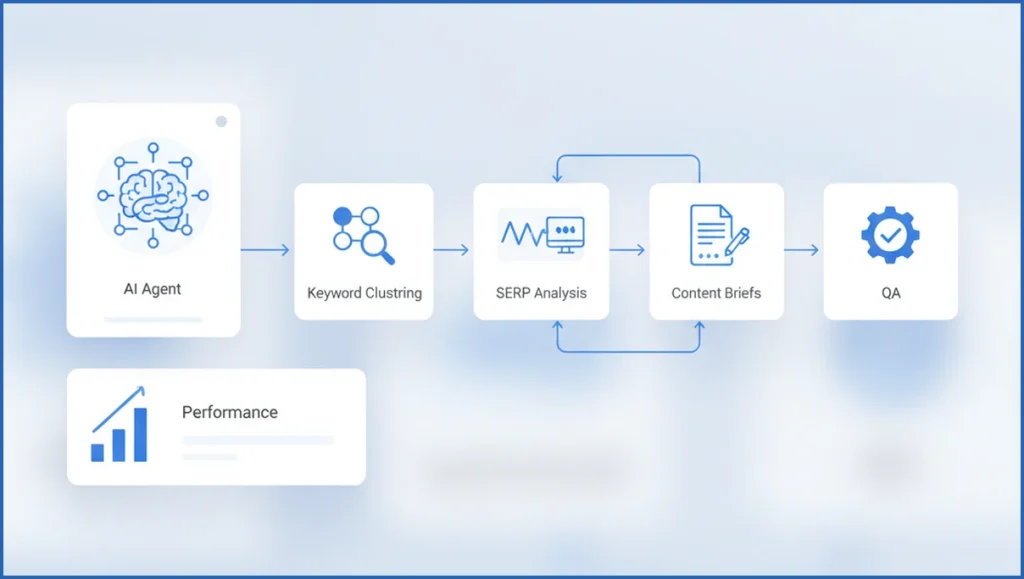
Claude agents already handle the boring middle. They can ingest exports, group keywords by intent, extract heading patterns from top pages, and turn that into a content brief. With the Google Search Console MCP tools, an agent can pull queries in positions 8-15, find pages with decaying clicks, and suggest refresh candidates in minutes.
A practical example is keyword clustering. Feed in 1,200 terms from GSC and a crawler export. The agent groups by modifier, maps a primary page type, flags cannibalization, and outputs a draft hub-spoke plan. The same flow can run content QA by checking title length, missing entities, weak internal links, and off-brief sections. Automated brief generation with Claude Code is already good enough for first drafts when the input data is clean.
Where AI agents still fail without human oversight
Agents still miss context. They can confuse a query that needs a product page with one that needs a comparison guide. They also over-trust weak sources, flatten brand voice, and invent confidence where none exists. If your review layer is thin, you publish polished mistakes faster.
Brand and legal risk are bigger than syntax risk. A health, finance, or B2B cybersecurity site cannot let an agent make unsupported claims or cite stale numbers. That is why answer-engine optimization work still depends on editors who can judge evidence, intent, and trust signals before anything ships.
A simple SEO agent workflow for teams in 2026
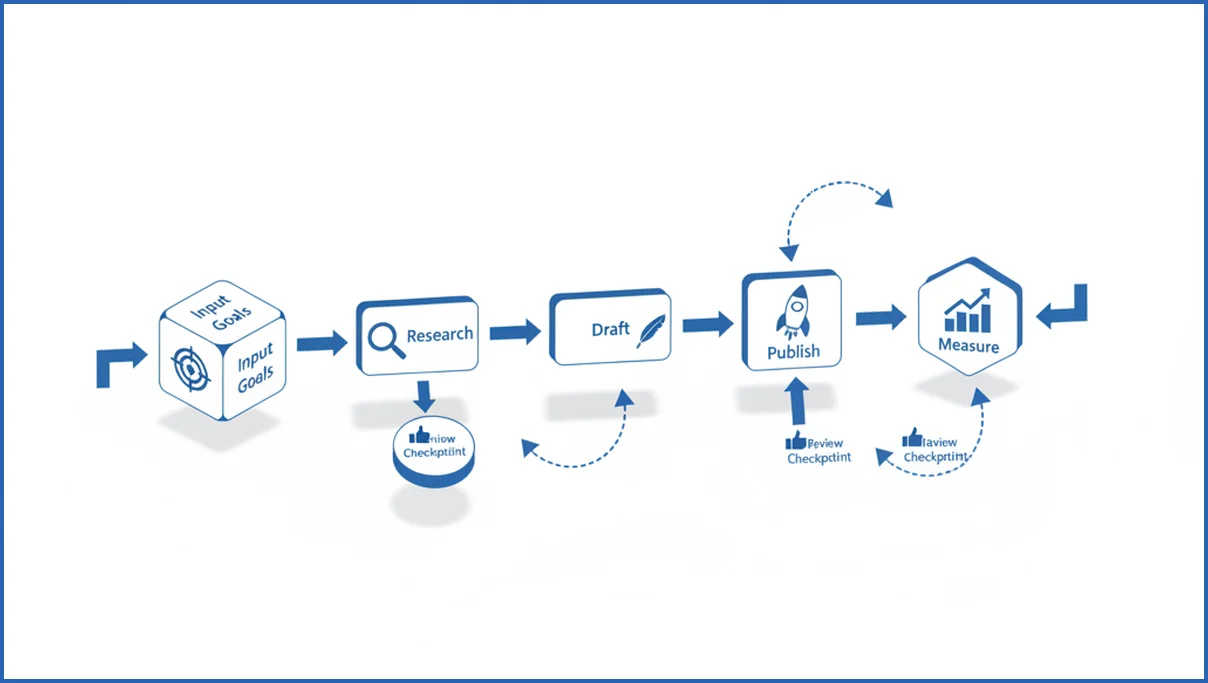
Start with a narrow workflow, not a giant autonomous system. One clean model is research, clustering, briefing, draft QA, then post-publish measurement. Each step should have a named owner and a pass-fail rule.
Here is a practical five-step setup for a content team shipping 12 pages per month:
- Pull GSC, GA4, and crawl data for one topic set.
- Ask the agent to cluster queries and map page intent.
- Generate a brief with entities, headings, internal links, and risks.
- Run human review on intent, claims, and brand tone.
- Publish, then measure clicks, rank spread, and assisted conversions after 21 days.
If you want tool access, Claude MCP server setups make this much easier because the agent can work from live sources instead of pasted text. That reduces copy-paste drift and creates a cleaner audit trail.
Claude agents vs traditional SEO automation tools
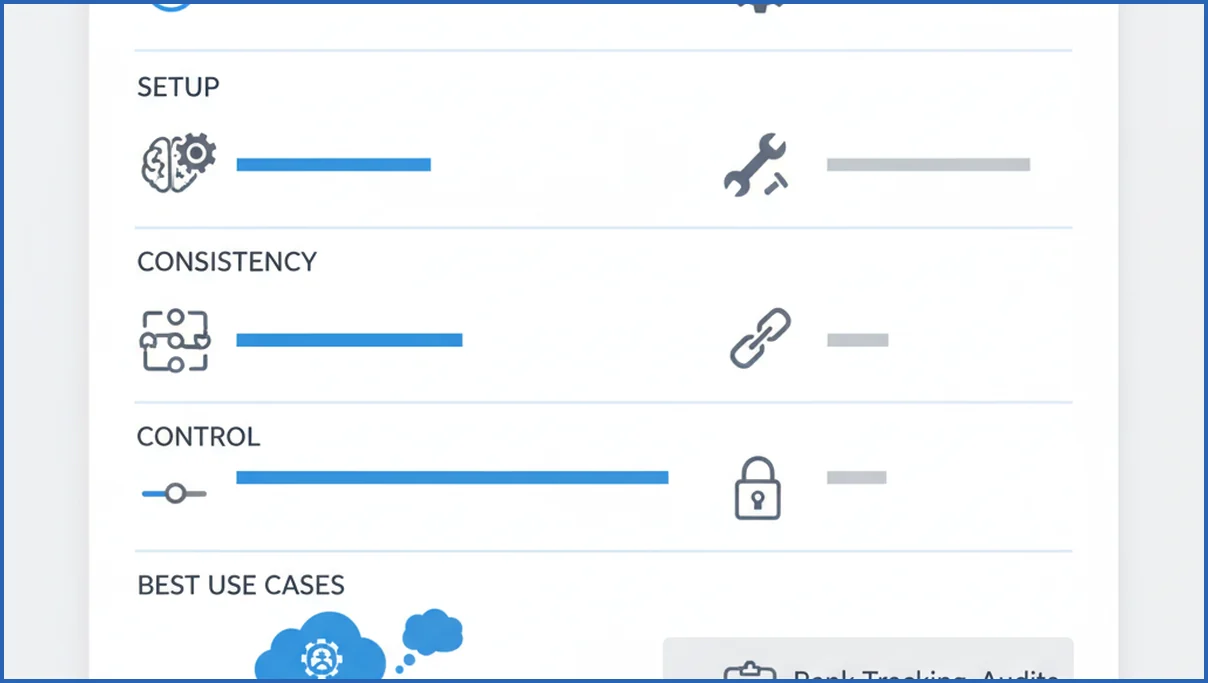
Classic SEO automation is better at fixed jobs. Rank tracking, crawl alerts, and scheduled reports are consistent because the logic is locked down. Claude agents are better when the task changes shape, like analyzing why a page lost clicks across mixed query intent.
The trade-off is control versus flexibility. Agents can reason across tools, but they need stronger prompts, better guardrails, and more review. Older automation stacks are often better for stable reporting. For a deeper tool-by-tool look, compare them against traditional SEO automation software.
| Feature | Claude agents | Traditional tools | Verdict |
|---|---|---|---|
| Flexibility | High | Medium | Agents win |
| Setup effort | Medium to high | Low to medium | Traditional wins |
| Consistency | Variable | High | Traditional wins |
| Control | High with rules | High in fixed tasks | Split decision |
How to prepare your SEO process for agentic search
Clean inputs first. If your naming is messy, your analytics are broken, or your briefs vary by writer, agents will copy that chaos. Standardize page types, query buckets, QA checklists, and source priorities. Good systems beat clever prompts.
Teams should also define what an agent cannot do. Do not let it publish without review. Do not let it cite uncrawled sources. Do not ask it to infer business goals from thin notes. The future of SEO AI belongs to teams that build guardrails, then move fast inside them.
What Claude’s newest agent features mean for SEO teams
Claude’s newer agent capabilities push SEO work from assisted writing toward managed execution. Instead of stopping at an outline, an agent can inspect files, follow instructions across steps, and use connected tools with less prompt-by-prompt steering. Anthropic positions this around tool use, extended reasoning, and computer interaction features in its platform docs. For SEO teams, that matters most when a workflow needs memory, checks, and repeatable rules.
The practical gain is not magic rankings. It is fewer manual handoffs across research, analysis, drafting, and QA. A strategist can ask Claude to pull Search Console patterns, compare weak pages, draft test hypotheses, and prepare a revision brief for review. When connected through Claude MCP integrations, the agent can work from live sources instead of copied screenshots. That reduces context loss and makes reviews faster.
- Agents can turn multi-step audits into one governed workflow with checkpoints.
- Teams can standardize briefs, schema checks, and internal linking suggestions.
- Review shifts toward judgment, risk control, and priority decisions, not repetitive setup.
Frequently Asked Questions
Will AI agents replace SEO specialists?
No. They replace portions of the workflow, especially repetitive research and formatting work. Specialists still decide page strategy, query intent, editorial trade-offs, and what success looks like. A good agent can save hours per week, but it does not own accountability. The person running the workflow still needs to judge quality, trust, and business fit.
How are Claude agents different from chatbots?
A chatbot mostly answers in one conversation. A Claude agent can follow a process, call tools, inspect files, and return structured outputs tied to a job. That makes it more useful for SEO operations. Instead of asking for advice, you can ask for a query cluster, a brief, a QA pass, and a summary of what changed.
Can AI agents improve keyword research?
Yes, if you give them real data. Agents are good at finding patterns in Search Console exports, grouping near-duplicates, and spotting intent splits across a topic. They are less reliable when you ask them to invent keyword opportunities from memory alone. Pair them with live GSC, GA4, and SERP inputs if you want useful research.
What risks come with agentic SEO workflows?
The biggest risks are wrong intent mapping, fabricated claims, and silent drift from your brand rules. Another risk is false confidence. Teams may trust polished output because it sounds precise. Add checkpoints for sources, entity coverage, internal links, and compliance. If a page affects money, health, or legal decisions, review it much more closely.
Should small teams use SEO agents now?
Usually, yes, but start with one workflow. A two-person team can get value from clustering keywords, generating briefs, and QAing drafts before it tries full content automation. Keep the scope tight and measure saved time, error rates, and output quality. Small teams benefit most when they use agents to remove backlog, not to skip strategy.
How do I keep AI-generated SEO content accurate?
Use a source-first process. Feed the agent approved references, product facts, SME notes, and live performance data before it writes. Then require a human reviewer to check claims, examples, and intent fit. Accuracy drops fast when the model fills gaps on its own. Templates and review rules matter more than model choice in most teams.
A sensible next step is to pick one repeatable task, such as query clustering or brief creation, and measure it for 30 days. If the agent saves time without raising error rates, expand slowly. If not, fix your inputs before you blame the model.
How does Claude’s new agent mode change SEO workflows?
It changes SEO from isolated prompts to supervised task chains. An agent can analyze queries, inspect page patterns, draft recommendations, and prepare updates in one session. That saves time on handoffs and tab switching. The best use is structured work with clear rules, such as audits, briefs, and reporting. For teams planning that shift, this AI copywriting workflow guide shows how to add review gates.
Final thoughts
Claude’s newest agent features matter because they reduce the friction between SEO thinking and SEO execution. Teams still need editors, analysts, and clear standards. Yet more of the repetitive middle can now be systemized. The strongest results usually come from connecting live data, defining approval points, and measuring page impact after changes. If you want a practical setup for analysis, reporting, and action loops, explore this Search Console analysis playbook.