
Off page seo is how your site earns trust beyond its own pages, and that trust still plays a major role in modern rankings. Search engines evaluate more than content and technical setup. They also look at who mentions your brand, which sites link to you, how often you are cited, and whether those signals appear credible and relevant. In practice, the strongest results come when off page seo and on page seo support each other: useful pages attract mentions, and external recognition helps those pages compete. This guide covers the tactics that still move the needle, from backlinks and digital PR to broader authority signals.
Last updated: September 2026
What Is Off Page SEO, Really?
Off page SEO is everything you do outside your own website to improve rankings and authority. It includes backlinks, brand mentions, reviews, digital PR, and social signals. Think of it as your site’s reputation score on the wider internet. Search engines look at who talks about you, who links to you, and how often people search for your brand to decide whether your pages deserve to rank.
While on-page SEO shapes how well your content answers a query, off page SEO tells Google whether others trust you enough to recommend your site. Both sides work together, but off page is usually harder to control and slower to build, which is why having a clear strategy matters.
On Page SEO vs Off Page SEO
On-page SEO focuses on your own pages: content quality, headings, internal links, and technical basics. Off page SEO focuses on how the rest of the web responds to that content. You control on-page changes directly. Off page results come from relationships, outreach, and long-term trust.
In practice, strong off page SEO rarely exists without solid on-page foundations. If your content is thin or unhelpful, people will not link to it naturally. That is why many teams start with content audits and improvements before pushing hard on link building or digital PR.
| Aspect | On Page SEO | Off Page SEO |
|---|---|---|
| Main focus | Content and structure on your site | Signals from other sites and platforms |
| Key activities | Optimizing titles, headings, internal links | Link building, PR, reviews, mentions |
| Control level | High, you change pages directly | Medium to low, relies on others |
| Typical timeline | Weeks to see improvements | Months to build authority |
| Main outcome | Relevance and usability | Trust, authority, and popularity |
If your on-page basics are not yet in place, consider reviewing resources on On-page SEO before investing heavily in outreach and link campaigns.
Why Off Page SEO Matters for Rankings and Revenue
Search engines try to surface pages that are both relevant and trusted. Relevance comes from your content. Trust comes largely from off page signals. When other reputable sites link to you, it acts like a public vote of confidence. Enough of those votes, from the right places, and your pages can outrank similar content with weaker authority.
Off page SEO also supports brand growth beyond rankings. Strong authority can lead to more branded searches, easier partnerships, and better conversion rates because visitors feel they are dealing with a known, credible business. For service and ecommerce sites, this often translates into more qualified leads and sales over time.
Core Off Page SEO Signals You Can Influence
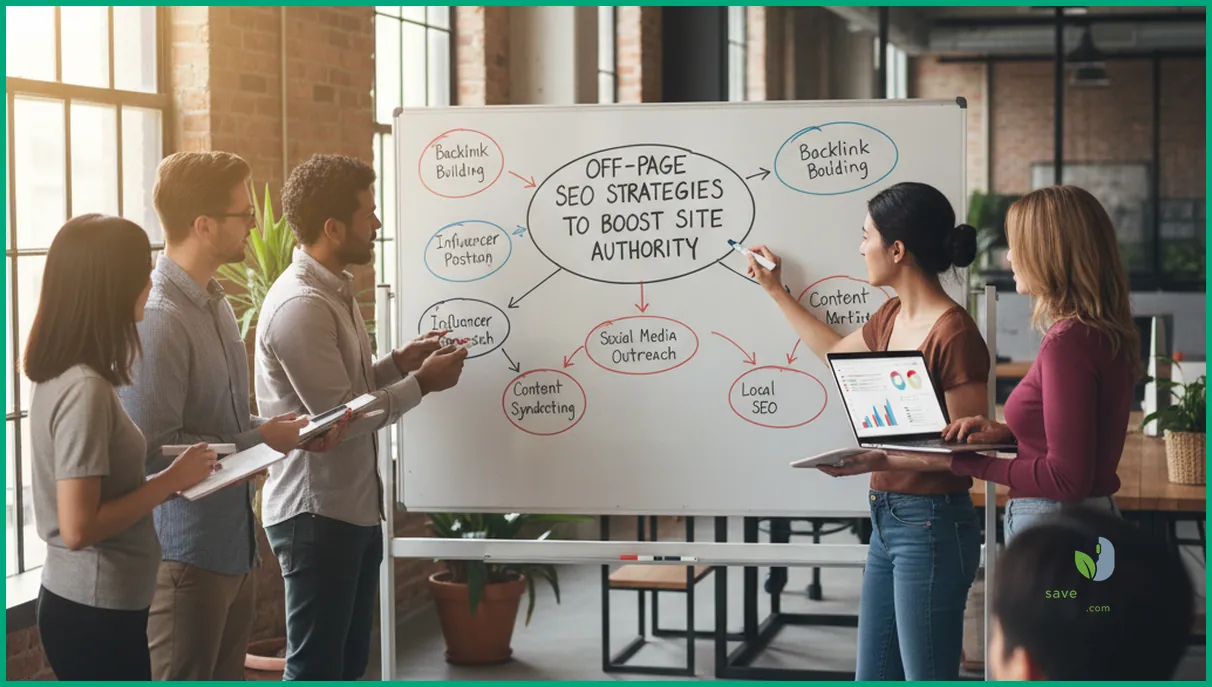
Off page SEO is broad, but most practical work falls into a few categories. Understanding these helps you prioritize efforts and avoid chasing every new tactic that appears in SEO forums.
1. Backlinks (Still the Core Signal)
Backlinks are links from other websites to yours. They remain one of the strongest off page signals. However, not all links are equal. Typically, links from relevant, authoritative sites carry more weight than links from random directories or low-quality blogs. A single link from a respected industry publication can sometimes outperform dozens of weak links.
When you evaluate backlink opportunities, consider:
- Relevance: Is the site’s audience similar to yours?
- Authority: Does the site itself earn strong links?
- Placement: Is your link in the main content or buried in a footer?
- Anchor text: Does the link text describe your page naturally?
2. Brand Mentions and Citations
Brand mentions are references to your brand or website without a clickable link. Citations are structured mentions of your business name, address, and phone number, especially important for local SEO. Search engines can use these signals to validate your existence and popularity, even when a direct backlink is missing.
Consistent citations across major directories and industry sites help local businesses appear more trustworthy. For online-only brands, mentions in niche communities, newsletters, and podcasts can still contribute to overall authority and brand awareness.
3. Reviews and Reputation
Reviews on platforms like Google Business Profiles, industry directories, and niche review sites send strong trust signals. They also influence click-through rates when people see your ratings in search results. While you cannot control every review, you can encourage satisfied customers to share honest feedback and respond professionally to criticism.
4. Social and Community Signals
Social media shares, comments, and community discussions are not direct ranking factors in a simple, mechanical way. However, they can indirectly support off page SEO by exposing your content to more people who might link to it. A useful guide shared widely in a community often attracts natural backlinks from blogs, newsletters, and resource pages.
Foundations Before You Build Links
Off page SEO works best when your content deserves attention. Before sending a single outreach email, check whether your pages genuinely help users and stand out from competitors. If they do not, you will struggle to earn high-quality links, and any links you buy or force may create more risk than reward.
Useful pre-link-building checks include:
- Does your content answer the main question better than top-ranking pages?
- Is the page easy to scan, with clear headings and visuals?
- Do you offer unique data, examples, or frameworks others might reference?
- Is your site technically sound and reasonably fast?
Tools like a keyword gap analysis or an article gap tool can help you identify topics and angles where your content can genuinely add something new.
Proven Off Page SEO Strategies That Actually Work
There is no single magic tactic. Effective off page SEO usually combines several strategies, applied consistently over months. Below are approaches that many teams use successfully when executed carefully and ethically.
Create Link-Worthy Content Assets
People link to content that makes them look smart, saves them time, or helps explain something complex. Instead of asking, “How do I get links?” ask, “What would someone genuinely want to reference?” Common link-worthy formats include:
- Original research, surveys, or data roundups.
- Clear how-to guides with diagrams or step-by-step frameworks.
- Checklists and templates that simplify recurring tasks.
- Opinion pieces from real experts with strong, defensible viewpoints.
For service businesses, detailed case studies and process breakdowns can attract links from industry blogs and resource pages. For ecommerce, in-depth buying guides and comparison content often work well.
Guest Posting with Real Value
Guest posting still works when done thoughtfully. The goal is to contribute genuinely helpful content to relevant sites, not to drop thin articles everywhere. Focus on publications your audience already reads. Pitch topics that fill a gap in their existing content, and avoid over-optimized anchor text. A natural, descriptive link in your author bio or within the article is usually enough.
Red flags include sites that accept any topic, publish dozens of guest posts daily, or openly sell links. These environments often provide little long-term value and could be risky if abused.
Digital PR and Thought Leadership
Digital PR aims to earn coverage and links from news sites, podcasts, and niche publications. You might share original data, comment on industry trends, or provide expert insights. Over time, this builds both authority and brand recognition. Even when coverage does not include a link, the mention can still help your reputation and may lead to future opportunities.
Resource Page and Broken Link Outreach
Many sites maintain resource pages that link to helpful guides, tools, or templates. You can search for these pages in your niche, then suggest your content where it genuinely fits. Broken link outreach is similar: you find dead links on relevant pages and offer your content as a replacement. Both methods work best when your resource clearly improves the page for its audience.

Community Participation and Expert Contributions
Participating in relevant communities—forums, Slack groups, LinkedIn discussions, or niche communities—can lead to natural mentions and links over time. The key is to provide real help, not to drop links everywhere. When people see you as a helpful expert, they are more likely to reference your content in their own work.
Expert roundups and Q&A contributions can also help. When you share a concise, insightful quote, many publishers will link back to your site or profile as attribution.
Local SEO and Citations
For local businesses, off page SEO includes building consistent citations and encouraging reviews. Make sure your name, address, and phone number match exactly across major directories and your website. Inconsistent details can confuse both users and search engines.
Encourage happy customers to leave honest reviews, and respond to feedback thoughtfully. Overly aggressive review solicitation or fake reviews can backfire and may violate platform policies.
Common Off Page SEO Mistakes to Avoid
Because off page SEO is harder to see and measure, it is easy to waste effort or accidentally cross into risky territory. Being aware of common pitfalls helps you stay on the right side of search guidelines.
Buying Links at Scale
Some link sellers promise quick authority boosts through large link packages. These often rely on low-quality sites, private blog networks, or link farms. While a few purchased links might not cause immediate issues, building your strategy on them is risky. Search engines actively work to discount or penalize manipulative link schemes.
Over-Optimized Anchor Text
Using your exact target keyword in every anchor text can look unnatural. A healthier profile usually includes a mix of branded anchors, URL anchors, and descriptive phrases. When you have control over anchor text, aim for clarity rather than squeezing in every keyword variation.
Ignoring Relevance
Chasing any link you can get, regardless of topic, often leads to a messy backlink profile. Links from unrelated sites might carry less value and can look suspicious if overdone. Prioritize relevance: a handful of links from closely related sites usually beats dozens from random blogs.

Neglecting Relationship Building
Off page SEO is not just a numbers game. Long-term relationships with editors, creators, and community leaders often lead to recurring mentions and links. If you treat every interaction as a one-off transaction, you miss the compounding effect of genuine partnerships.
How to Measure Off Page SEO Success
Because off page SEO works indirectly, measurement can feel fuzzy. Still, you can track several indicators to see whether your efforts are moving in the right direction. It is reasonable to expect that meaningful improvements typically take several months, especially in competitive niches.
Track Backlink Growth and Quality
Monitor how many referring domains link to your site and whether new links come from relevant, trusted sources. A slow, steady increase from good sites is usually healthier than sudden spikes from questionable ones. Pay attention to which pages attract links, then consider creating more content in similar formats or topics.
Monitor Rankings and Visibility
Use keyword rank tracker tools to follow how your important keywords move over time. Instead of obsessing over daily changes, look for broader trends across weeks and months. If you see ranking lifts clustered around pages that received new links, that is a helpful signal, even if you cannot prove a direct cause.
Watch Referral Traffic and Engagement
Links that send engaged visitors are especially valuable. Check which referring sites drive traffic, then review how those visitors behave. Do they stay on your site, explore multiple pages, or convert? These insights can guide where you focus future outreach and relationship-building efforts.
Evaluate Brand Searches and Mentions
As your authority grows, people often search for your brand name more frequently and mention you in more places. You can track branded search impressions in search tools and set up alerts for new mentions. While these metrics are imperfect, they give a sense of whether your visibility and reputation are expanding.
Building an Off Page SEO Roadmap
Instead of trying every tactic at once, build a simple roadmap. Start with a three to six month plan, then adjust based on results. A practical sequence might look like this:
- Audit your content and technical basics to ensure link-worthiness.
- Identify 3–5 cornerstone resources that could earn links.
- Research relevant sites, communities, and publications in your niche.
- Plan outreach campaigns for guest posts, resource pages, and PR angles.
- Engage consistently in one or two key communities.
- Review results monthly and refine your approach.
Keyword clustering can also help you organize topics and supporting content, making your site more attractive to linkers. A keyword clustering tool can group related terms so you build stronger topical hubs instead of scattered, overlapping articles.
Over time, as your authority grows, you can expand into more competitive topics, similar to how you might scale strategies for SEO for service website projects or SEO for E-commerce website campaigns.
The brand saveyourclicks often emphasizes this iterative approach: build strong content, earn a few good links, measure, then repeat with better insight each cycle.
The practical takeaway is simple: earn references from sources that make sense in your niche, prioritize relevance over raw numbers, and treat mentions as part of your broader reputation footprint, not just a bonus metric.
This is where off page seo and on page seo work together. Strong pages give other sites something worth citing, while external references reinforce your authority. If your site already has useful content but little traction, a professional SEO review session can help identify which pages are most likely to attract links and which authority signals are currently missing.
Brand mentions also play a role, even when they are unlinked. If your company is referenced across credible websites, podcasts, local publications, and social discussions, it helps build a broader picture of legitimacy. Search engines are getting better at connecting entities, which means repeated mentions can support trust, topical relevance, and recognition over time.
Backlinks remain one of the clearest off page seo signals because they act like editorial votes from other sites. When a relevant, trustworthy website links to your page, search engines can interpret that as evidence your content deserves attention. The value is not just in volume. A handful of links from respected industry publications, partners, or niche resources often matters more than dozens of low-quality directory listings.
How Backlinks and Brand Mentions Build Authority
Good content marketing supports both seo on page and off page. Your page structure, clarity, and topical depth improve the asset itself, while strategic promotion creates the external signals that help authority grow naturally.
Promotion matters too. Email outreach, social distribution, expert roundups, podcast appearances, and community participation help the right people discover your content. If your data is tied to search demand, you can also use Google Search Console insights to spot topics already attracting impressions, then expand them into link-worthy resources.
For example, a local service business could publish a pricing guide or seasonal trend report, while a software company might create a comparison framework or free tool. These assets work because they support other writers, marketers, and business owners who need evidence, examples, or visual explanations. That is a stronger foundation for off page search engine optimisation than generic guest posting alone.
The most sustainable link acquisition usually starts with content that gives people a reason to cite you. Instead of chasing random placements, build assets that solve a problem, present original information, or simplify a complex topic. Useful formats include industry surveys, benchmark reports, calculators, templates, opinion pieces backed by data, and step-by-step guides that publishers can reference in their own coverage.
Content Marketing Tactics That Earn Natural Links
If trust is a concern in your market, linking your expertise to a visible personal or company story can help. A page like our background and experience supports the credibility signals that PR and reviews amplify elsewhere online.
Digital PR expands this further by earning mentions in local news, trade publications, podcasts, and community websites. A useful campaign might center on original data, a local event, a charitable initiative, or an expert comment on a trending topic. These placements strengthen off page on page seo performance together because they drive awareness, links, and branded searches.
Reviews add another layer. Positive, detailed reviews on Google and trusted industry platforms can influence visibility, clicks, and buyer confidence. They also create fresh third-party content around your brand. The goal is not to game the system but to build a repeatable review process: ask happy customers at the right moment, make leaving feedback simple, and respond thoughtfully to both praise and criticism.
Off page search engine optimization is not limited to backlinks from blogs and media sites. For local businesses, citations, reviews, and regional press coverage are often some of the strongest authority builders available. Consistent business information across directories helps search engines trust that your brand is real, active, and tied to a specific location. That consistency should include your business name, address, phone number, and website details everywhere they appear.
Local SEO, Reviews, and Digital PR for Off Page SEO
If you want a clearer picture of what to fix first, a structured off-page opportunity audit can turn a scattered backlink list into a focused action plan.
From there, group targets by effort and impact. Quick wins might include reclaiming broken backlinks, correcting citation errors, or converting existing mentions into links. Mid-term opportunities include guest expert contributions, partnerships, and data-led campaigns. This is where search engine optimization on page and off page should be aligned: the pages you promote externally must be genuinely useful once visitors land on them.
Next, check for unlinked brand mentions. If people already cite your business without linking, those are often easier outreach wins than cold link requests. You should also review reviews, local citations, social profiles, and PR mentions to see whether your external presence matches your brand positioning.
An off page SEO audit should show where your authority is today, where competitors are outperforming you, and which opportunities are realistic to pursue next. Start by reviewing your backlink profile for quality, relevance, and concentration. Look for links pointing only to your homepage, gaps in links to commercial pages, and overreliance on one source type. Then compare your domain against key competitors to find publications, directories, and resource pages that mention them but not you.
How to Audit Off Page SEO Opportunities
The practical goal is to become easier to verify. Make authors visible, keep business information consistent, encourage honest reviews, and look for credible places where your brand can be cited naturally. If your trust signals are weak or inconsistent, a technical and authority review can help identify what is missing beyond backlinks alone.
This is where off page seo and on page seo work together. Your pages need clear expertise signals, but outside validation gives those claims weight. For example, a local service business may publish detailed guides on its site, then strengthen trust with Google Business Profile reviews, industry association listings, and mentions from regional news sites. A software company might do the same through case-study citations, podcast appearances, and analyst references.
Backlinks are part of that picture, but they are not the whole story. Branded searches, third-party reviews, business citations, press mentions, and expert references all reinforce legitimacy. If people search your company name after hearing about you elsewhere, that suggests brand demand. If trusted directories display consistent business details, that improves confidence. If respected publishers mention your work, even without a link, that can still contribute to how your brand is understood.
Off-page SEO helps search engines evaluate whether your site is known, trusted, and referenced beyond its own pages. That matters because strong rankings are rarely built on content alone. Google also looks for signals that real people and credible sources recognize your brand. These signals support E-E-A-T by showing experience, expertise, authoritativeness, and trust through the wider web.
How Off-Page SEO Builds E-E-A-T and Brand Signals
If you want stronger authority signals, it helps to align these efforts with visible expertise and a trustworthy brand story. A clear expert profile and brand background makes outreach, PR, and partnership opportunities easier to win because people can quickly understand who is behind the site.
The key is fit. A single mention on a respected site in your niche is usually worth more than dozens of low-quality placements. When planning campaigns, ask whether the tactic puts your brand in front of people who may later search for you, reference you, or recommend you. That is the long-term engine behind effective off page search engine optimization.
Offline activity can help too. Hosting webinars, sponsoring niche events, speaking at conferences, or winning credible awards often results in profile pages, recap articles, social mentions, and future referrals. These assets may create backlinks, but their deeper value is that they place your brand in trusted contexts. Community-driven tactics also work well: contributing to industry roundups, collaborating with complementary brands, and participating in podcasts can all expand your reputation with the right audience.
Original data is one of the strongest examples. If you publish a useful industry benchmark, journalists and bloggers have something concrete to cite. The same applies to expert opinions on timely topics. A concise quote, unique perspective, or strong case study can earn coverage where generic content never will. This approach supports off page search engine optimisation because it builds authority through relevance, not volume.
Some of the most effective off-page SEO techniques do not start with outreach emails asking for links. They start by creating reasons for other people to talk about your brand. Digital PR, original research, expert commentary, events, partnerships, and community involvement can all generate visibility that leads to mentions, links, and branded search growth over time.
Off-Page SEO Techniques That Work Beyond Link Building
To get more from this channel, monitor where your brand is being discussed and which topics drive engagement. Tools that surface branded queries and referral patterns can show whether social exposure is turning into search demand. For that, Search Console visibility tools can help you connect off-site attention with what people later search on Google.
Community participation works best when it is genuinely helpful. Answer questions, share useful examples, and contribute insights that match the discussion instead of dropping links into every thread. Creator partnerships can also support off page on page seo efforts by sending qualified visitors to strong content assets that convert attention into trust.
Unlinked mentions are especially important here. If your brand appears in forum discussions, creator reviews, newsletters, or social conversations, search engines gain more context about what your business is associated with. That does not mean every mention improves rankings on its own. The value comes from repeated relevance across credible places where your audience already spends time.
Social platforms do not usually pass the same direct ranking value as editorial backlinks, but they still matter in off page seo because they amplify reach. A useful post shared on LinkedIn, X, Reddit, YouTube, or niche communities can introduce your brand to journalists, creators, customers, and site owners who may later link, mention, or search for you by name.
Social Media, Communities, and Unlinked Mentions
Keep the dashboard simple: branded search trend, best referral sources, top new mentions, strongest new links, and assisted revenue. If the data is scattered, a focused SEO review can help turn those signals into a measurement system you can actually use.
Then assess backlink quality, not just count. Look at topical relevance, editorial context, and whether links come from sites real people trust. Add brand mentions and reviews to your reporting, especially if you rely on local or reputation-based visibility. Finally, include assisted conversions so you can see when off page search engine optimization supports a sale indirectly rather than being the last click.
Start with branded search impressions and clicks. If more people search your company, product, or founder name after PR, partnerships, or community activity, that is a strong signal of growing awareness. Next, review referral traffic by source. A niche newsletter that sends a small number of highly engaged visitors may be more valuable than a large placement that produces quick bounces.
Measuring off-page SEO is difficult when you only look at new backlinks. A better framework tracks whether outside visibility is leading to stronger brand demand, better referral quality, and more conversions over time. That gives you a clearer picture of what your offsite efforts are actually doing.
How to Track Off-Page SEO Impact More Accurately
Finally, judge outreach by outcomes beyond link counts. Track referral traffic, assisted conversions, branded search lift, and ranking gains on the linked page and related pages. The best campaigns improve trust and discoverability at the same time.
Quality control is what separates sustainable off page seo from risky tactics. Avoid buying links on irrelevant sites, overusing keyword-rich anchor text, or outsourcing to providers that cannot explain placement standards. Strong link acquisition supports broader visibility because it amplifies pages that are already solid from an on-site perspective. If your team needs help deciding which pages are outreach-ready, a technical and strategy review can uncover where authority-building will have the biggest impact.
Personalization should be specific, not theatrical. Mention the exact article you read, the section where your resource adds value, or a gap you noticed that your content fills. Keep the email short and easy to scan: one sentence showing relevance, one sentence explaining the resource, and one clear ask. Follow-ups matter, but only if they add context rather than repeat the original request. For example, you might send a new data point, a better summary, or a clearer explanation of why your page supports their readers.
A useful outreach workflow begins with asset matching. Choose a page worth promoting: original research, a strong guide, a useful calculator, a data-backed article, or a page that explains a problem more clearly than what currently ranks. Then sort prospects by intent. Some sites link to statistics, some cite expert commentary, and others prefer tutorials or examples. Your pitch should reflect that difference. A generic message saying you have a “great article” rarely works because it gives the recipient no reason to care.
Effective outreach starts long before the first email. The goal is not to ask as many sites as possible for a link. It is to identify publishers, editors, bloggers, and resource pages that already cover topics related to your expertise and would genuinely benefit from referencing your content. In practical terms, that means building a prospect list based on topical fit, audience overlap, and editorial quality rather than chasing raw domain metrics alone.
Link-Building Outreach That Earns High-Quality Backlinks
To make brand mentions work harder, monitor where your company, products, and leadership are being referenced. Reach out selectively to convert relevant unlinked mentions into links, but do not force the issue if the citation already serves a genuine awareness purpose. This balance is important in off page search engine optimisation: authority is not built only through direct link requests, but through repeated, relevant visibility in places your audience already trusts.
Expert positioning also matters. Founders, consultants, and in-house specialists who publish under a real identity tend to earn stronger response rates from media and niche publishers. That is especially true in industries where trust is part of the ranking equation. A visible profile, clear credentials, and a record of useful commentary make outreach more credible. If you are building that layer of authority, your expert background and credibility signals should be easy for editors and prospects to verify.
Digital PR is one of the most effective ways to build those signals. Instead of pitching your homepage, pitch something newsworthy: original survey data, a strong opinion on an industry shift, commentary on a breaking topic, a customer trend, or a practical case study. Journalists and editors need timely, quotable material. If your contribution helps them explain a story faster or with more clarity, you increase the odds of being featured. In many cases, the resulting coverage includes both a brand mention and a link, but even when it does not, the exposure can still lead to secondary citations elsewhere.
Off page seo is often reduced to backlinks, but search visibility also grows through signals that show a brand is known, cited, and discussed across the web. Unlinked mentions in articles, expert roundups, podcasts, industry newsletters, review platforms, and community discussions can strengthen how people and search engines perceive your authority. A mention without a hyperlink may not pass traditional link equity, but it can still support trust, recognition, and branded search demand.
Brand Mentions, Digital PR, and Authority Signals Beyond Links
The best operating model is usually hybrid: internal ownership of brand, approval, and priorities, with external support handling repeatable execution. That setup protects quality while giving your team enough bandwidth to keep momentum month after month.
It also helps to connect off page work with your broader SEO foundation. For example, if your service pages are not conversion-ready or your best content is not indexed properly, more outreach will not solve the underlying issue. A practical way to evaluate that alignment is through outside SEO guidance before scaling link acquisition.
Vendor evaluation should go beyond asking how many links they can deliver. Ask where placements come from, how they qualify sites, whether they use manual outreach, what anchor text controls they follow, and how they measure success beyond rankings. If they promise guaranteed links on specific domains, rely heavily on private networks, or cannot explain relevance standards, treat that as a warning sign. Good off page search engine optimization is selective and editorial, not manufactured at scale.
Tasks that are often good to outsource include prospecting, media list building, outreach operations, and campaign reporting. These are process-heavy activities that benefit from established systems and dedicated capacity. A skilled provider can also help identify linkable assets and spot authority gaps that your internal team may overlook. However, strategy, messaging, and brand claims usually need stronger in-house involvement. Your team understands the business nuances, compliance limits, customer pain points, and positioning better than an external freelancer working from a brief.
Many businesses reach a point where off page seo becomes too time-intensive to manage casually. Outreach, prospect research, digital PR, relationship building, and performance reporting all require consistency. That is where outside help can be valuable, but only if you know which parts of the process should stay under your control. The wrong vendor can create short-term link gains and long-term risk at the same time.
Off Page SEO Services: What to Outsource and What to Keep In-House
Keep the checklist simple: choose pages, confirm assets, research prospects, send outreach, follow up, monitor mentions, recover lost links, and review performance. This structure works whether you manage seo on page and off page together or focus mainly on authority building. The key is consistency. Small monthly gains from relevant mentions and links usually outperform sporadic campaigns that rely on volume instead of fit.
In week two, run outreach and PR activity. Send personalized pitches, respond to journalist requests, and look for opportunities to contribute quotes or expert insight. In week three, follow up with the most relevant prospects and document replies, placements, and next steps. In week four, review outcomes. Look at acquired links, unlinked mentions, referral traffic, branded search growth, and ranking movement for both the promoted pages and related terms.
Next, build or refresh your prospect list. Include publishers, niche blogs, associations, local organizations, journalists, podcasts, and partners. Group them by outreach type so your messaging fits the context. During the same planning window, check for new brand mentions, lost links, and competitor placements you may want to pursue. This is also a good time to verify that target pages are crawlable and properly tracked in Search Console using a Search Console workflow that surfaces indexing and performance issues.
A monthly workflow makes off page seo easier to sustain because it turns broad goals into repeatable actions. Start by reviewing the pages you want to support. Pick one to three priority URLs based on business value, ranking opportunity, and content quality. Then define the angle for each page: is it a resource worth citing, a commercial page that needs trust signals, or a data piece that can attract press and backlinks?
A Simple Off Page SEO Checklist for Monthly Execution
If resources are limited, avoid spreading effort across too many tactics. Pick one reliable channel, such as niche outreach, PR commentary, or partnerships, and do it consistently. If you are unsure what fits your growth stage best, an SEO planning session can help you choose tactics that match your budget and authority goals.
Established brands with more content and budget can invest in digital PR, linkable assets, and campaigns tied to category leadership. At that stage, off page seo and on page seo should work together closely. Strong outreach can amplify pages that already deserve to rank, but it will not fix weak messaging, poor internal linking, or thin content. Teams that treat search engine optimization on page and off page as separate silos usually miss compounding gains.
For startups and new websites, the first priority is building a trustworthy base. Focus on foundational citations, partner mentions, founder visibility, and a small number of high-quality links to core pages or standout content. Local businesses should emphasize reviews, local partnerships, industry directories, and regional press. These signals often matter more than broad national outreach because they reinforce relevance where conversions actually happen.
Not every website should approach off page seo the same way. A new site needs credibility and discovery, while an established site may need stronger topical authority or better link support for high-value commercial pages. Prioritization becomes easier when you match tactics to stage, budget, and business model instead of copying what larger competitors do.
How to Prioritize Off Page SEO by Site Stage and Budget
A practical way to support this work is to track where your brand is already showing up, what queries trigger branded impressions, and which pages gain visibility after mentions begin to compound. Tools and reporting from Google Search Console workflows can help connect off-site activity with branded search growth, query expansion, and page-level click patterns. In modern search, authority is not only linked; it is recognized, repeated, and remembered.
Consistency matters. Use the same brand name, author identity, company description, and expertise framing across profiles and third-party mentions. Mixed naming conventions or vague bios can dilute recognition. The same principle applies to thought leadership. Publishing original data, providing quotable commentary, and contributing expert insights create assets other sites and AI systems can reference naturally.
This changes the goal from “get as many links as possible” to “build clear, credible signals in the places your audience already trusts.” A strong off page search engine optimization strategy should improve how often your brand appears next to its core topics. If you run a SaaS company, for example, guest commentary on respected martech blogs, inclusion in software comparison pages, and interviews on niche podcasts can all reinforce topical association. Over time, these references help search systems connect your brand with a subject area, not just a homepage URL.
Off page seo now shapes more than traditional rankings. It also influences how search engines and AI systems understand your brand as an entity worth mentioning, citing, and recommending. When large language models, answer engines, and blended search results summarize a topic, they often draw from patterns of recognition across the web. That means repeated mentions on relevant sites, expert quotations, review platforms, publisher bios, podcast pages, and industry directories can strengthen your visibility even when a backlink is not the main outcome.
Off Page SEO for AI Search and Brand Visibility
Create a simple prioritization sheet with domain relevance, competitor overlap, estimated traffic value, and the likely acquisition path. Some targets need outreach. Others require digital PR, a partnership, or a better piece of content. If you want help turning this analysis into a practical campaign, a technical and authority review session can quickly separate realistic wins from low-value prospects. Good link gap analysis does not just show who links to competitors. It reveals the repeatable patterns behind authority growth.
Next, identify the “linkable asset” behind each competitor mention. Was it a statistics page, a founder quote, a free tool, a case study, or a product comparison? This step turns raw backlink data into action. You may find that your site lacks the asset type required to win similar links. In that case, the gap is not just off page on page seo performance; it is offer-market fit for link acquisition.
The most valuable intersection opportunities usually have three traits. First, they link to multiple competitors, which suggests a real pattern rather than a one-off relationship. Second, they are topically relevant to your market. Third, they have a clear editorial reason to mention companies like yours. If a cybersecurity publication links to four competing vendors in buying guides, that is likely a better prospect than a random high-metric blog with no subject fit.
Begin by choosing three to five true search competitors, not just companies you know by name. Look at the sites ranking for your priority non-branded keywords and export their referring domains. Then sort the results into categories: editorial mentions, guest contributions, niche directories, tools pages, association memberships, local citations, podcasts, partner pages, and data-source citations. This classification matters because it tells you why each link exists. A site that linked to a competitor’s original research needs a different pitch than a directory listing or a supplier page.
One of the fastest ways to improve off page seo is to study where competitors are earning trust before you build your own outreach list. Link gap analysis shows which domains already link to similar businesses but not to you. Instead of guessing which publishers, blogs, directories, or resource pages might be interested, you start with proven opportunities.
Competitor Link Intersections and Link Gap Analysis
Reply handling matters as much as the initial pitch. If someone says no, ask whether another angle would be more useful. If they express interest but hesitate, reduce the ask. If they want credentials, direct them to a strong expertise page such as our SEO specialist profile to reinforce trust. Effective outreach feels less like cold selling and more like editorial matchmaking, where relevance and timing do the heavy lifting.
Follow-up timing also affects conversion rates. Send the first follow-up after three to five business days, then a second roughly a week later. Change the message each time. A follow-up that simply says “just checking in” adds no value. Instead, offer a fresh detail: a new statistic, a concise quote, or a better explanation of why your resource fits their audience. Two follow-ups are often enough for editorial contacts. Beyond that, move the prospect back into a later nurture cycle.
A simple framework is context, contribution, proof, and next step. Context explains why you chose them. Contribution states what you can offer, such as a quote, data point, original image, or expert explanation. Proof shows credibility through experience, results, or previously published insights. The next step should be low friction: ask whether they are open to reviewing a specific resource or whether they want a short expert comment for an article in progress.
Personalization should go beyond inserting a first name and website title. Reference something specific that shows you understand the page’s purpose. That could be an outdated example, a missing perspective, a broken citation, a useful addition to a comparison article, or a timely angle tied to current industry changes. The best pitches make the recipient’s content better, not just your backlink profile stronger.
Outreach fails when every prospect receives the same generic request. Editors, marketers, and site owners can spot mass email templates immediately, and most will ignore them. A better off page seo process starts with segmentation. Group prospects by page type and motivation: journalists seeking expert input, bloggers updating resource lists, podcast hosts booking guests, partner companies highlighting integrations, and editors curating statistics or tools. Each group has a different reason to respond.
Advanced Outreach Personalization and Follow-Up Framework
The common thread is credibility. You are not chasing isolated mentions; you are becoming the source people invite, cite, and recommend. If you need a sharper positioning angle before approaching collaborators, a strategy call for authority growth can help define which partnerships and media formats best match your niche. The strongest off page presence is built through relationships that keep generating visibility long after the first link goes live.
Expert roundups and commentary requests offer another path. Journalists, bloggers, and newsletter writers often need short quotes from practitioners, not polished essays. Prepare reusable insight snippets on your core topics, backed by examples or data where possible. That makes it easier to respond quickly when opportunities appear. Over time, recurring contributions can support both off page seo and on page seo by driving qualified visitors to the pages that prove your expertise.
Podcasts are especially useful for building reputation in niche markets. A single interview can place your name, brand, and expertise on a show page, in episode notes, across syndication platforms, and sometimes in follow-up content. To pitch podcasts effectively, propose a clear topic with a practical outcome. “Trends in SEO” is weak. “How to audit underperforming service pages without losing conversions” is stronger because it promises a concrete conversation.
Partnerships work well because they align incentives. If you integrate with another platform, serve the same customer segment, or complement another provider’s offer, co-marketing becomes natural. You can publish a joint guide, trade newsletter placements, contribute to each other’s resource hubs, or appear together on a webinar. These activities often lead to highly relevant mentions from pages that make sense to both users and search engines.
Many teams limit off page seo to guest posting and direct link outreach, but authority often grows faster through collaborative visibility. Partnerships, podcast appearances, webinars, joint studies, and expert roundups create mentions in places that already have engaged audiences. They also produce a wider mix of signals than a single article link, including branded searches, referral traffic, social proof, and secondary citations from people who discover your expertise through those appearances.
Authority Building Through Partnerships, Podcasts, and Expert Roundups
Expect delayed impact. Some links send traffic immediately, while others mainly strengthen relevance and trust over several months. That is why month-to-month reporting can be misleading. Quarterly trend analysis is usually more useful for off page search engine optimisation. When measurement is set up well, you can tell which channels deserve more investment and which tactics should be retired. If your current reporting is too shallow, a Search Console-based measurement setup can help tie authority signals back to the queries and pages that matter most.
A useful reporting structure is activity, visibility, engagement, and revenue. Under activity, record campaigns launched, assets promoted, and placements earned. Under visibility, monitor brand-query growth and ranking movement. Under engagement, review referral traffic quality, time on page, and conversion actions from those visits. Under revenue, attribute leads and assisted conversions wherever possible. This gives stakeholders a realistic picture of how search engine optimization on page and off page work together.
Lagging indicators show commercial impact. Track branded search impressions, referral sessions from earned placements, assisted conversions, demo requests, email signups, and changes in rankings for pages supported by external mentions. If a digital PR campaign earns citations but does not increase visibility, clicks, or trust signals, it may be producing vanity wins rather than meaningful authority.
Measuring off page seo only by counting backlinks hides what actually matters. A better model connects authority activity to business outcomes through leading and lagging indicators. Leading indicators include new referring domains, brand mentions, share of voice on key publications, podcast placements, review growth, and outreach acceptance rates. These show whether your efforts are gaining traction before rankings or leads fully respond.
A Measurement Model for Off Page SEO ROI
Finally, protect quality over time. Audit new links regularly. Watch for spikes from spammy sites, irrelevant foreign domains, or auto-generated pages. Most low-quality links can simply be ignored, but patterns still matter. The strongest long-term approach to off page on page seo is not aggressive link acquisition. It is consistent authority building: earning citations from places that make sense, giving people reasons to mention your brand, and making sure the pages receiving those links are genuinely worth ranking.
Once you know your baseline, build links through assets worth citing. Publish original data, practical templates, comparison pages, opinion pieces with clear expertise, or guides that answer common industry questions better than anything else available. Then promote those assets through digital PR, partner outreach, community participation, and selective guest contributions. This is where seo on page and off page should support each other. Strong content architecture, helpful pages, and clear expertise make outreach easier because you are giving publishers something useful to reference rather than asking for a favor.
To build this kind of profile, start by reviewing what you already have. Identify your strongest linked pages, the types of sites already mentioning you, and the anchors they use. Then compare this against competitors who rank well for your core topics. The goal is not to copy every link. It is to understand the content formats and brand signals that attract mentions in your sector. If competitors earn links from annual reports, data studies, expert commentary, or partner pages, those patterns can inform your own strategy. If you need a structured review before expanding your outreach, a professional SEO consultation can help you spot gaps without chasing vanity metrics.
So what does a healthy backlink profile look like in practice? It usually includes links pointing to more than just your homepage. Strong sites attract links to category pages, original research, tools, guides, and thought-leadership content. Referring domains come from a range of relevant sources instead of one tactic alone. Some links are followed, some are nofollow, and some appear simply as brand mentions without a hyperlink. That mix is normal. A profile where every link is followed, keyword-rich, and placed inside obviously transactional content is not.
Link velocity matters too, but not in the simplistic way many guides describe it. A sudden increase in backlinks is not automatically bad. If your brand launches a study, gets press coverage, or publishes a genuinely useful tool, links can rise quickly and still look completely natural. Problems usually appear when rapid link growth comes from low-quality placements, irrelevant guest posts, or identical anchors across many domains. Search engines are better at spotting manipulated patterns than they are at punishing normal popularity spikes.
Anchor text diversity is another major factor. Natural profiles contain branded anchors, naked URLs, page-title anchors, generic phrases like “learn more,” and occasional partial-match descriptive text. What they do not contain is a suspiciously high percentage of exact-match keyword anchors repeated again and again. If dozens of sites link to the same page using the exact phrase off page search engine optimization, that pattern can look manufactured. A safer approach is to let the linking site choose language that fits its article, while you focus on earning links to useful pages that deserve citations.
The second principle is authority with judgment. Many site owners chase metrics such as Domain Authority or Domain Rating as if they were ranking factors. They are not. They are directional tools. A high-metric site can still be low quality if it publishes thin sponsored content at scale, covers every topic under the sun, or exists mainly to sell links. On the other hand, a smaller niche publication can be extremely valuable if it has loyal readers, strong topical focus, and clean editorial standards. A healthy profile usually includes a mix of high-authority mentions, niche links, local citations where relevant, and references from sites that your actual audience trusts.
The first principle is relevance. If your company sells accounting software, links from finance, small business, SaaS, and operations websites make sense. Links from unrelated coupon sites, spun blogs, or random foreign-language domains do not. Relevance helps search engines understand why another site referenced you in the first place. It also improves the chance that the link sends qualified referral traffic, which is often a sign that the placement has real editorial value.
A reputable backlink profile is not built by collecting the highest number of links. It is built by earning the right links from relevant sites, at a pace that matches real business visibility, and with anchor text that looks natural. In off page seo, search engines use backlinks as trust signals, but they also evaluate context. A link from a respected industry publication, trade association, university page, or well-maintained niche blog usually carries more value than dozens of links from weak directories or recycled guest post networks.
How to Build a Reputable Backlink Profile
The real strength of digital PR is that it compounds. One campaign can generate links, mentions, newsletter inclusions, podcast invites, and social proof that supports future outreach. That is why it remains one of the most durable forms of off page search engine optimisation. Instead of chasing placements one by one, you create assets and angles that the market wants to reference, then turn that process into a repeatable editorial engine.
Measurement should go beyond link counts. Look at referring domains, brand mentions, referral traffic, assisted conversions, and whether the campaign improved visibility for related pages over time. Check whether reporters cited your homepage, your campaign asset, or another page entirely. If your mentions rise but indexing or visibility lags, it helps to validate technical coverage and content discovery with tools like Google Search Console insights. Digital PR performs best when authority signals and site accessibility reinforce each other.
To make the campaign repeatable, document every stage. Track which hooks earned replies, which sectors were most responsive, what subject lines worked, and what types of assets attracted links rather than unlinked mentions. Over time, patterns emerge. You may find that commentary-led campaigns win fast mentions, while data studies take longer but earn stronger links. You may also discover that some industries respond better to local angles, while others prefer benchmark reports or practical tools.
Follow-up is part of the process, but it has to be useful. A good follow-up might include an additional stat, a relevant quote, a localized cut of the data, or a visual asset that helps the journalist finish the story. A bad follow-up just repeats “checking in” with no new value. Usually, one or two thoughtful follow-ups are enough. Beyond that, move on or reshape the angle. Persistence helps, but relevance matters more.
Your pitch should be brief, timely, and tailored. Lead with the strongest hook, not your brand bio. For example, instead of opening with “We are a leading provider of…” start with the finding itself: a surprising trend, a regional insight, or a quote tied to a current story. Then explain why it matters now and offer the full asset, data source, or expert comment. If you can provide an exclusive angle to one high-value publication before wider outreach, even better. Exclusivity can turn a decent campaign into a breakthrough placement.
Next comes list building. Avoid spraying the same email to hundreds of unrelated contacts. Segment targets by beat, audience, and format. A national news editor wants a different angle than a trade publication, newsletter writer, or local business reporter. Build a focused list that includes the publication, the relevant journalist or editor, why your angle fits, and the specific stat or insight that may resonate with them. This one step improves results more than most outreach templates ever will.
Once you have an angle, create the asset and the media materials together. Your on-site page should include the full story: methodology, key findings, visual charts, quotes, and a clear takeaway. At the same time, prepare a short press summary, headline variations, and a small set of statistics that can be lifted into articles. Journalists often work quickly, so the easier you make it to verify and reference your material, the better. This is also where off page seo and on page seo intersect. If the page is slow, confusing, or thin on detail, it is less likely to earn links even if the idea itself is solid.
The workflow usually begins with angle development. Good angles come from data, timing, expertise, or contrast. You might analyze industry trends, publish survey findings, comment on a regulatory change, compare regional differences, or debunk a common assumption with first-party data. If you do not have proprietary data, you can still build a strong campaign by synthesizing public datasets, interviewing experts, or creating a tool that helps people make decisions. The asset does not need to be complex, but it does need to be distinct enough to stand out from routine content marketing.
A repeatable digital PR campaign starts long before you send a pitch. The best campaigns are built on a simple question: what can your business contribute that journalists, editors, creators, or industry publishers would actually want to reference? In off page seo, digital PR works when your outreach is tied to something newsworthy, useful, or original. Generic “please link to our blog” emails fail because they do not give the recipient a story, a source, or a reason to care.
How to Run a Repeatable Digital PR Campaign
The most effective campaigns combine all three tactics. You publish a useful asset on your site, reference it naturally when contributing guest content, and pitch it to relevant resource pages where it genuinely belongs. This approach is slower than mass outreach, but it creates a stronger off page search engine optimization foundation. It also aligns better with search engine expectations because the links are supported by relevance, editorial judgment, and actual usefulness. In search engine optimization on page and off page, that combination is what turns a link from a metric into a real authority signal.
To decide what kind of asset to build, study the ecosystem around your topic. What pages do journalists cite? What do bloggers include in roundups? What do community managers share with members? What do educators or consultants use as references? If your niche values numbers, publish data. If it values process, build templates or step-by-step guides. If it values trust, produce pages that clearly demonstrate who is behind the content and why they are qualified to speak on the subject. That is one reason an credible expert profile can quietly strengthen outreach; editors and site owners often look for signals that the person behind the content is real and knowledgeable.
This leads to the most scalable element: linkable assets. A linkable asset is any page people want to reference because it saves time, adds clarity, or provides evidence. Strong examples include original research, statistics roundups with sourcing, calculators, templates, comparison frameworks, glossaries, maps, and expert explainers. The key is utility. A page that exists only to rank for a keyword may perform in search, but a page that also helps someone support an argument or solve a problem is far more likely to attract links.
The quality filter for resource pages is simple: would the page still exist if SEO did not? Real resource pages are built to help users navigate a topic. Weak ones are built mainly to host outbound links. Signs of quality include clear curation, topic consistency, recent updates, and selective recommendations. Signs of low value include long unstructured lists, unrelated categories, and no visible editorial oversight. If a page links to everything, its endorsement means very little.
Resource page link building requires a different mindset. Here, you are looking for curated pages that recommend tools, guides, organizations, definitions, local services, or educational materials. The best targets are maintained by universities, nonprofits, industry groups, local organizations, software partners, and topic-focused publishers. Relevance is essential. If you ask a sustainability resource page to link to a generic sales article, you are wasting everyone’s time. But if you have produced a strong checklist, glossary, calculator, or explainer that truly helps their audience, the ask becomes reasonable.
Pitch topics that fit the publication rather than forcing a prewritten article. Editors are more likely to accept a contribution when it fills a gap for their readers. Your piece should teach something practical, share credible examples, or offer a perspective grounded in firsthand experience. The backlink should support the article naturally, not hijack it. In many cases, a branded or contextual link in the author bio is enough. Trying to stuff exact-match anchors into the body is one of the fastest ways to turn a useful tactic into a risky one.
Start with guest posting. A valuable guest post lives on a site that has a real audience, an editorial standard, and a clear connection to your topic. The best opportunities are not always the biggest publications. They are often niche websites, industry blogs, association sites, or founder-led publications whose readers closely match your ideal customer. Before pitching, review the site carefully. Does it publish original articles? Are the posts well written? Do they rank, earn engagement, or attract comments and shares? Does the site clearly label sponsored content? If every article feels templated and every author links to unrelated commercial pages, the placement is probably not worth pursuing.
Guest posting, resource page outreach, and linkable assets still have a place in off page seo, but only when each tactic is used for the right purpose. Too many campaigns fail because businesses treat them as interchangeable ways to “get a backlink.” In reality, they work differently. Guest posting is best for thought leadership and audience overlap. Resource pages work when you have something genuinely useful to recommend. Linkable assets are the foundation that makes both tactics easier and more sustainable.
Guest Posting, Resource Pages, and Linkable Assets
The goal is not to manufacture mentions everywhere. It is to create a coherent topical presence that search engines and users can recognize across multiple sources. That wider reputation layer is often what separates a site with decent content from a brand that earns lasting visibility.
A practical way to improve these signals is to audit your brand footprint. Search for your brand name, founders, products, and key service terms. Note where you are mentioned, where profiles are incomplete, and where competitors appear but you do not. Then prioritize fixes: update major listings, claim industry profiles, strengthen speaker and contributor bios, earn reviews on relevant platforms, and build relationships in communities where your audience already pays attention. If you want outside perspective on how these signals connect to broader visibility, a site authority review can help you identify the gaps that links alone will not explain.
Expertise signals strengthen this picture. Author bios, credentials, professional affiliations, published interviews, conference appearances, and case studies all help connect your content to real people and real experience. For websites in competitive or sensitive niches, these trust markers can make your on-site content more believable and your off-site mentions more meaningful. In other words, off page seo and on page seo work best when the same topical story appears everywhere: who you are, what you know, who recognizes you, and how consistently that recognition shows up.
Brand mentions without links still have value. When your business is discussed in articles, podcasts, forums, newsletters, or social conversations alongside relevant topics, that contributes to recognition. Co-citation matters here as well. If your brand repeatedly appears near established competitors, industry tools, or known experts, search engines gain additional context about the topics you are associated with. This is one reason PR, partnerships, speaking engagements, and community participation can support off page seo even when they do not always generate followed links.
Reviews also contribute to authority, especially when they appear on relevant third-party platforms. Search engines may not treat every review as a direct ranking factor for every query, but reviews influence click behavior, trust, branded searches, and conversion rates. They also create a pattern of real-world validation. Encourage reviews ethically, respond thoughtfully, and look for recurring themes in feedback. Those themes can improve both service delivery and content strategy.
Citations are one of the clearest examples. If your business name, address, phone number, and website appear consistently across credible directories, association listings, map platforms, and local profiles, that reinforces legitimacy. The value is not in submitting to every directory you can find. It is in maintaining accurate data on the platforms that matter for your industry and geography. Inconsistent information creates confusion for users and weakens confidence in your brand entity.
Backlinks matter, but they are not the only signals that shape authority. Search engines also look for broader evidence that a brand or website is recognized within its topic area. That includes citations, reviews, unlinked brand mentions, co-citations, expert references, and consistency across the web. These signals are especially important for local businesses, service providers, and any company operating in a trust-sensitive niche where reputation influences how content is interpreted.
Topical Authority Signals Beyond Backlinks
Frequently Asked Questions
What is off page SEO?
Off page SEO is the work that builds your website’s authority outside your own pages. It includes backlinks, digital PR, brand mentions, reviews, citations, partnerships, and other trust signals that show search engines your site is recognized by others. It complements on-page work like content, internal linking, and technical optimization rather than replacing it.
Is off page SEO more important than on page SEO?
Neither is more important in every case. On-page SEO gives search engines clear, useful pages to rank, while off page SEO helps those pages earn trust and authority. If your content is weak, links will not solve the problem. If your content is strong but no one references your site, growth may stall. The best results come from combining both.
What are the best off page SEO techniques?
The best techniques are the ones that earn credible, relevant signals. That usually includes digital PR, high-quality guest contributions, linkable assets, industry partnerships, local and niche citations, review generation, and unlinked brand mention growth. Tactics work best when they are tied to useful content and real audience value, not mass outreach or low-quality placements.
How long does off page SEO take to work?
Off page SEO usually takes months, not days. Early wins can appear within a few weeks if you earn strong links or coverage, but meaningful authority growth often develops over three to six months or longer. The timeline depends on your niche, competition, site quality, and whether your off-page work is supported by strong technical and content foundations.
Do brand mentions help off page SEO?
Yes, brand mentions can help, especially when they come from relevant, trusted sources. Even without a hyperlink, mentions can reinforce topical association, improve brand recognition, and support entity understanding. They are usually most effective when combined with other signals such as backlinks, reviews, citations, and clear on-site expertise.