
Last updated: August 2026
Schema markup helps AI systems parse your page faster, but it does not earn visibility on its own. Google still needs clear content, credible entities, and a page structure that matches search intent. If you treat schema as a support layer, not a shortcut, it becomes useful for AI Overviews, featured snippets, and broader answer-engine visibility. That framing matters if you are building pages for modern search, not just old-school blue links.
TL;DR
- AI Overviews need clearer context, not just more keywords.
- Use schema to help crawlers identify entities, pages, and intent.
- Start with Article, FAQ, Organization, and Product or Service schema.
- Validate markup, monitor indexing, and refine based on search results.
- Schema supports understanding, but strong content still wins placement.
What schema markup can and cannot do for AI Overviews
Schema markup gives search systems explicit signals about what a page is, who published it, and which entities it covers. That can reduce ambiguity. It is especially helpful when a page mentions products, services, authors, locations, or common questions. For teams working on AI search optimization, this is one of the cleaner technical wins.
Still, schema does not guarantee inclusion in AI Overviews. Google uses many inputs, including page quality, query intent, freshness, consensus across sources, and how well the answer fits the prompt. Structured data supports understanding. It does not override weak writing, thin evidence, or poor topical coverage.
A practical way to think about it is this. Schema helps machines label the page. Content helps machines trust and summarize it. You need both if you want a realistic shot at answer surfaces.
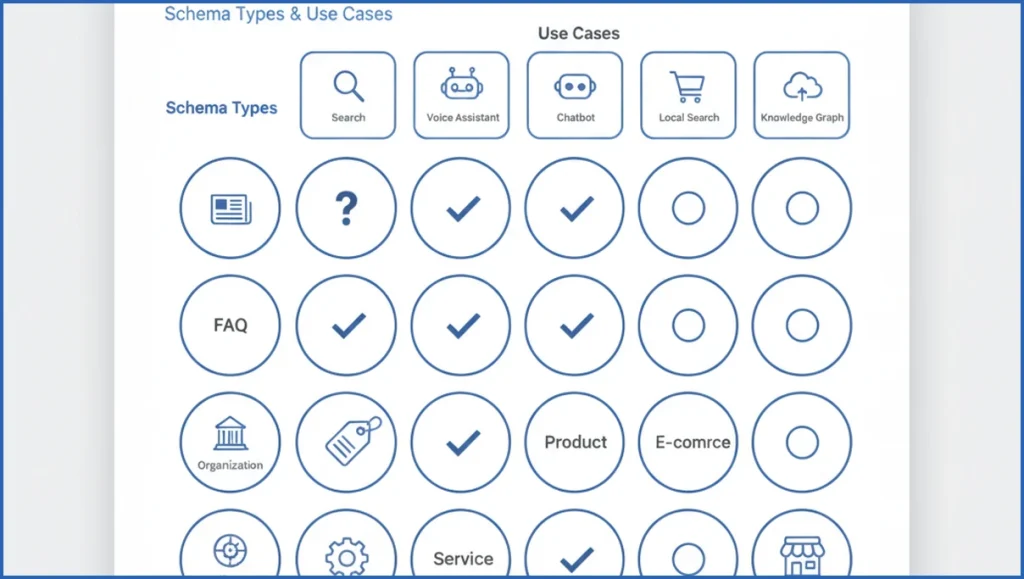
Which schema types matter most for AI visibility
Most sites do not need twenty schema types. They need the right four or five. For editorial pages, use Article or BlogPosting. For brand trust, add Organization. For commercial pages, use Product or Service. For location-driven companies, LocalBusiness matters. FAQPage works when the questions genuinely appear on the page and add user value.
Choose schema based on page purpose, not wishful thinking. A software pricing page should not pretend to be an FAQ hub. A service landing page should not use Product unless it is selling a discrete offer with real attributes. If your broader strategy includes answer engine optimization, this discipline keeps your entity graph cleaner.
- Article or BlogPosting for guides, tutorials, and explainers.
- Organization for publisher identity, sameAs profiles, and site ownership.
- Product for ecommerce pages with price, reviews, and availability.
- Service for agencies, consultants, and local service pages.
- FAQPage for tightly scoped questions that users actually ask.
How to build schema markup for AI step by step
Start with a page audit. Identify the main intent, the primary entity, and the exact page type. Then map one primary schema type to that page. This is where many teams overcomplicate things. One strong fit beats five weak ones. If you already use AI-assisted on-page workflows, add schema mapping to the same brief.
Next, fill the properties that matter. For an Article, that usually means headline, description, author, datePublished, dateModified, image, mainEntityOfPage, and publisher. For a Service page, include provider, areaServed, serviceType, and url. Keep visible page content aligned with those fields.
Here is a simple JSON-LD example for an editorial page:
<script type="application/ld+json">
{
  "@context": "https://schema.org",
  "@type": "Article",
  "headline": "Schema Markup for AI Overviews: A Practical Playbook",
  "description": "How to implement schema markup that helps search systems interpret pages for AI-driven results.",
  "author": {
    "@type": "Person",
    "name": "Editorial Team"
  },
  "publisher": {
    "@type": "Organization",
    "name": "SaveYourClicks"
  },
  "datePublished": "2026-08-03",
  "dateModified": "2026-08-03",
  "mainEntityOfPage": "https://example.com/schema-markup-for-ai-overviews"
}
</script>
Then validate before publishing. Avoid fake review data, missing required properties, and schema that describes content not present on the page. Those errors are common. They also make debugging slower later.
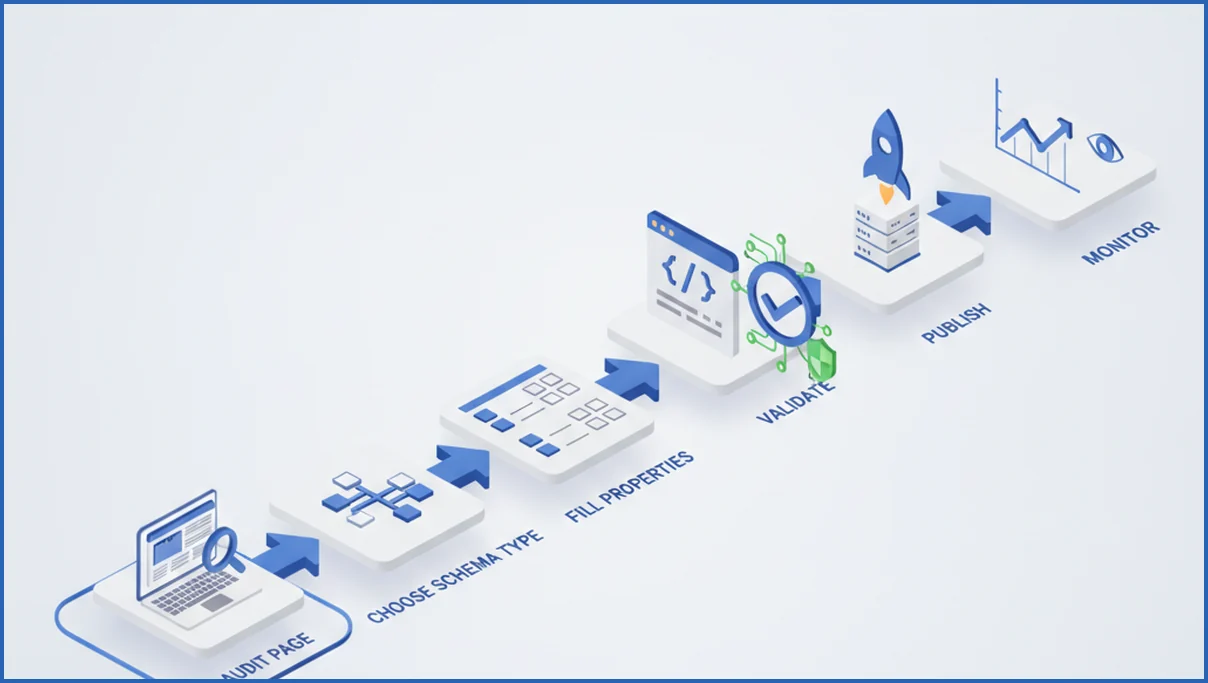
- Audit the page and assign one primary schema type.
- List visible facts the markup should reflect.
- Write JSON-LD and place it in the page template.
- Validate with Google and Schema.org tooling.
- Publish, crawl, and monitor query changes for 2 to 6 weeks.
How to structure pages so schema and content reinforce each other
Schema works better when the page itself is easy to parse. Put the answer high on the page. Use a direct summary paragraph under the H1. Keep headings literal. Name entities consistently. If the schema says the page is about a service in Manchester, the copy, title, and internal links should support that same interpretation.
Internal links help here more than most teams think. Link supporting guides to service or product pages with specific anchor text. A cluster built from keyword clustering workflows often reveals which entity relationships are missing. That improves both crawl paths and answer extraction.
How to validate, test, and troubleshoot schema changes
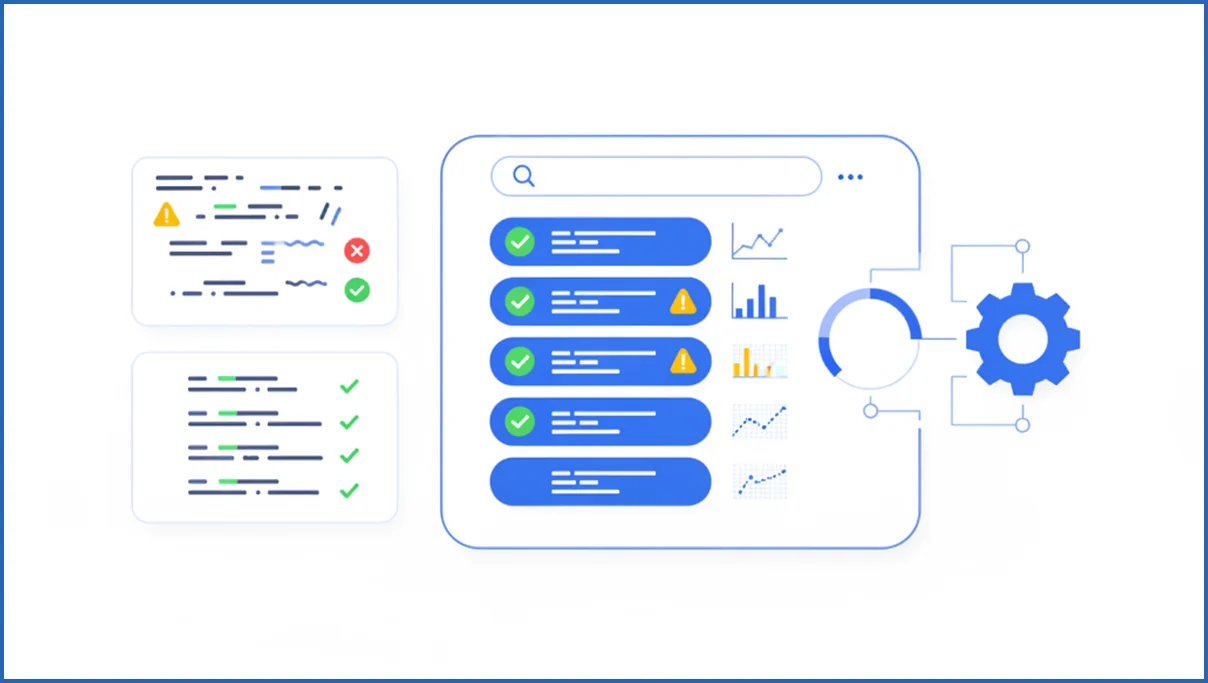
Use Google’s Rich Results Test first, then inspect the rendered HTML. After that, check whether the JSON-LD survives your CMS, tag manager, or hydration layer. JavaScript conflicts break more implementations than syntax errors do. If a field exists in source code but not rendered HTML, search bots may never see it consistently.
For live monitoring, compare indexed pages, impressions, and query shifts in Search Console. The Google Search Console MCP tools are useful for spotting pages that gained impressions after markup changes. Look for movement on informational queries where your page ranks in positions 5 to 15. That is often where better page understanding starts to matter.
A simple optimization checklist for ongoing AI search gains
Review high-value pages every quarter. Update dates, authors, product attributes, service areas, and FAQ blocks when the content changes. Remove stale markup fast. Old schema creates trust gaps between what the page says and what the code claims. That mismatch is easy to avoid.
Track pages that earn impressions but weak clicks in AI-shaped SERPs. Those often need sharper summaries, stronger entity mentions, or cleaner markup. If you are building a repeatable process, this fits well inside a broader generative engine optimization playbook. The goal is not more schema. The goal is clearer interpretation over time.
Frequently Asked Questions
Does schema markup guarantee AI Overview visibility?
No. Schema markup helps search systems understand your page, but it does not force inclusion in AI Overviews. Google still weighs usefulness, authority, query fit, and competing sources. A page with perfect JSON-LD can still lose to a clearer page with better evidence. Treat schema as a clarity layer, not a ranking hack.
Which schema is best for blog posts and guides?
Article or BlogPosting is usually the right starting point for blog posts, tutorials, and long-form guides. Add Organization for publisher identity, and Person if author information matters on your site. If the article answers defined questions, FAQPage may help, but only when those questions appear visibly on the page and are not stuffed in for search engines.
Should I use FAQ schema on every page?
No. Use FAQ schema only when the page genuinely includes a concise Q&A section that helps visitors. Adding it everywhere creates thin, repetitive blocks that weaken the page. It can also clutter templates and create maintenance debt. Reserve it for product, service, or guide pages where real user objections or follow-up questions need direct answers.
Is JSON-LD better than microdata for AI search?
JSON-LD is usually the better choice because it is easier to maintain, easier to validate, and less likely to break during front-end changes. Google has supported it broadly for years. Microdata can work, but it ties schema to visible HTML in a way that becomes messy on large sites. Most teams move faster with JSON-LD.
How often should I update structured data?
Update structured data whenever the page changes in a meaningful way. That includes new authors, revised dates, pricing changes, service areas, and product availability. For evergreen content, a quarterly review is a sensible baseline. For ecommerce or local pages, monthly checks are often safer because commercial details go stale faster than editorial summaries.
Can schema help local businesses appear in AI answers?
Yes, especially when you pair LocalBusiness or Service schema with strong location pages, consistent NAP details, and visible proof like reviews, hours, and service areas. Schema alone will not make a local company surface in AI answers. Still, it improves entity clarity, which matters when Google tries to connect a business with a local intent query.
What errors most often break schema implementation?
The common failures are wrong schema types, required properties left blank, fake review markup, and JSON-LD injected by scripts that do not render reliably. Teams also forget to match markup to visible content. If the code describes one thing and the page shows another, trust drops. Start with accurate basics before adding more properties.
Your next step is simple. Pick five pages that already rank in positions 5 to 15, add or clean up one fitting schema type per page, then monitor query changes for a month. If nothing moves, the problem is probably not markup. It is usually page clarity, weak entity coverage, or mismatched search intent.